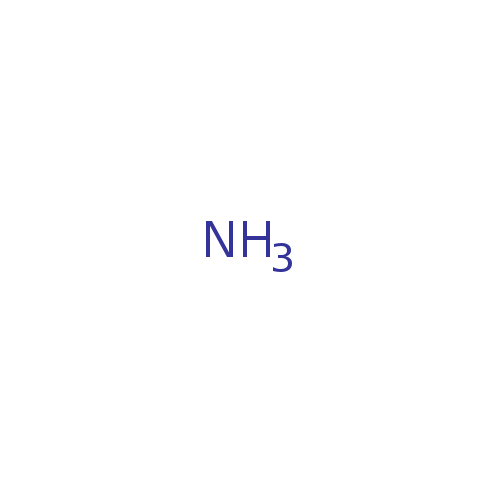
Ammonia, also known as NH3 or amoniaco, belongs to the class of inorganic compounds known as homogeneous other non-metal compounds. These are inorganic non-metallic compounds in which the largest atom belongs to the class of 'other non-metals'. Ammonia is a drug. Ammonia is a very strong basic compound (based on its pKa). Ammonia exists in all living species, ranging from bacteria to humans. Ammonia is a potentially toxic compound. Ammonia, with regard to humans, has been found to be associated with several diseases such as carnitine palmitoyltransferase I deficiency, phosphoenolpyruvate carboxykinase deficiency 1, cytosolic, sulfite oxidase deficiency, isolated, and mitochondrial trifunctional protein deficiency; ammonia has also been linked to the inborn metabolic disorder hyperdibasic aminoaciduria I.
belongs to the class of inorganic compounds known as homogeneous other non-metal compounds. These are inorganic non-metallic compounds in which the largest atom belongs to the class of 'other non-metals'.
It was shown that ammonia released from AA degradation in the rumen is used for bacterial protein formation, and that urea can be a useful nitrogen (N) supplement when low-protein diets are used [34].
NH3-N was positively correlated with Succiniclasticum (p < 0.05) but negatively correlated with Saccharofermentans and Rikenellaceae_RC9_gut_group (p < 0.05).
In this scenario, the rumen pH and NH3-N concentration play a pivotal role in influencing the end products of rumen fermentation, particularly SCFA and microbial protein, which serve as vital sources of energy and amino acids for animals.
This effect was expected since, in the current study, CAP did not modify the ruminal concentration of NH3-N, and this parameter has a linear relationship (r = 0.55) with serum urea in ruminants [60].
In livestock production, 70-80 of dietary protein is hydrolyzed to ammonia (NH3) in the rumen, and a low protein ratio leaves the rumen undegraded (Hristov et al. 2011).
Previous studies have reported a negative relationship between NH3-N concentration in the rumen and the number of microbial proteins derived from non-protein nitrogen [73,74].
Protein degradation leads to the breakdown of true protein into amino acids and ammonia, utilized by ruminal microbes for microbial protein (MCP) synthesis [52].
The concentrations of ammonia and volatile fatty acid (VFA) in dairy cows rumen follow a well-defined daily pattern where ammonia peaks around 7:00 am while VFA peaks around 19:00 pm; dry matter, starch, and neutral detergent fiber reach their lowest level before feeding time [33].
A stable intra-rumen environment is essential for the health of ruminants, and rumen pH, ammonia-nitrogen (NH3-N) concentration and volatile fatty acid (VFA) concentration are key indicators for assessing the stability of the rumen environment, which can reflect the state of rumen fermentation (Tomczak et al., 2019).
As ruminants consume dietary protein, it is quickly digested in the rumen into peptides and amino acids, resulting in ammonia generation and nitrogen loss.
Ruminal ammonia nitrogen (NH3-N) concentration was analyzed using a microplate spectrophotometer [Multiskan SkyHigh; Thermo Fisher Scientific (China) Co., Ltd.] based on the method of Broderick et al. [27].
Ruminants rely on a diverse and robust rumen microbiota for the efficient digestion of plant fibers, which are converted into volatile fatty acids (VFAs), microbial proteins, ammonia and other metabolites essential for growth [1].
The rate of ammonia production from dietary nitrogen in the rumen often exceeds its incorporation into microbial nitrogen, leading to excess ammonia absorption through the rumen wall, followed by conversion to urea in the liver [10].
BUN (12.1 vs. 13.5 mg/dL), blood glucose (75.3 vs. 74.6 mg/dL), and ruminal NH3-N (16.2 vs. 18.4 mg/dL) were comparable between cattle fed the soybean meal and cricket meal diets.
The pH value and NH3-N, MCP, and VFAs concentrations in the rumen reflect the degree of rumen fermentation and the stability of the rumen environment [28, 29].
Additionally, there was an increased abundance of Eubacterium spp. and Dialister spp., which contribute to the synthesis of ruminal NH3 utilized for microbial protein production, thereby providing precursors for milk protein synthesis and improving protein utilization efficiency in the rumen (Wallace et al., 2003; Wang et al., 2022b).
NH3-N is the main product of digestion and metabolism of protein organic matter in the rumen, and its concentration can reflect the degree of protein degradation in rumen fermentation substrate [25].
Rumen ammonia nitrogen (NH3-N) content serves as an indicator of microbial protein metabolism from dietary nitrogen (21), and there is generally a negative relationship between protein digestibility and ammonia nitrogen levels.
Specifically, surplus dietary protein undergoes deamination in the rumen and liver, producing ammonia that must be detoxified to urea through the energetically expensive urea cycle, thereby diverting glucose and ATP from productive purposes [141].
Newbold and Ramos-Morales (2020) summarized the main objectives of ruminal microbiome manipulation through diet: improving the nutritional composition of ruminant products, promoting animal health, preventing toxin accumulation, reducing pathogen development, decreasing the environmental impact of livestock (with reduction in greenhouse gas emissions), optimizing the production of SCFA and microbial protein, in addition to reducing ammonia production in the rumen.
Poor synchrony leads to uncoupled fermentation, where excess ruminal ammonia unable to be incorporated into microbial protein due to a lack of energy is absorbed and subsequently excreted as urinary urea nitrogen, a volatile form of nitrogen that contributes to environmental pollution [56].
Rumen fermentation shifted toward a more energetically favorable profile, with lower acetate (– 2.70%), higher propionate (+ 4.55%), and a reduced acetate-to-propionate ratio (– 7.02%), accompanied by increased microbial crude protein (+ 21.53%) without changes in pH or NH3-N.
Ruminal microbes incorporate ammonia, peptides, amino acids, and non-protein nitrogen into MCP, which flows to the small intestine and provides a high-quality source of absorbable amino acids for the host [16].
Ruminal osmolality is affected by solutes including soluble minerals, ammonia, amino acids, and soluble carbohydrates and fermentation products, with volatile fatty acids (VFA) representing 30 to 40 of the total ruminal solutes (Girard et al. 2009).
Specifically, significant positive correlations were observed between Prevotellaceae UCG-003, LDL-C, Xylanibacter and IgG as well as the NK4A214 group and rumen NH3-N concentration (P < 0.05).
Total VFA concentration was also higher in the HI group (120.42 vs. 89.60 mmol/L, P < 0.01), whereas NH3-N did not differ significantly between groups (8.53 vs. 7.79 mmol/L, P = 0.17).
In the rumen, dietary protein is degraded into peptides and amino acids, which can be used for microbial protein synthesis or further catabolized to ammonia, leading to nitrogen loss12,13.
In the rumen, dietary protein is extensively degraded by microbial communities into peptides, amino acids, and ammonia, with part of the released nitrogen being incorporated into microbial biomass.
When ruminal proteolysis and deamination exceed microbial requirements, ammonia is absorbed, converted to urea, and predominantly excreted in urine, thereby lowering NUE8.
Under LE diet, high population of total methanogens tended to correlate with low FCR in ANG offspring (P<0.10), whereas high proportion of Robinsoniella sp. was associated with high ruminal ammonia (P<0.05, Supplementary Table S1).
Ammonia released from ruminal protein degradation can be utilized for microbial growth in the rumen, absorbed through the ruminal wall to be detoxified in the liver to urea, and subsequently recycled throughout the body or excreted in urine as urea.
This genus plays a critical role in the decomposition of urea, protein, hemicellulose, and cellulose, and it provides the required ammonia for the growth of the rumen microbial species, especially the bacteria that digest complex carbohydrates (Dehority 1969; Wojciechowicz et al. 1982).
Rumen is the specific organ in ruminant animals where microbial crude protein synthesis is performed and N sources (AAs, peptides and ammonia) are absorbed36.
The excess protein released into the rumen above microbial requirements is mainly deaminated into ammonia (NH3), energy and volatile fatty acids (mainly propionate and branch chain fatty acids) by rumen microbes [49,50].
BCVFAs are mainly end products of protein fermentation and are, along with ammonia, often used as quick indicators of protein fermentation in the rumen44.
Measurement of the rumen metabolic parameters of gas production, carbon dioxide to methane ratio, pH value, volatile fatty acids, ammonia, and in vitro cellulose digestion, along with total amylolytic streptococci counts of the rumen contents, showed that conditions in rumens of defaunated animals are normal 4 days after such treatment.
In a recent experiment, no differences were observed in rumen ammonia concentration and microbial proteins between cows kept under HS-free and HS conditions (Cowley et al. 2015).
Swamp buffaloes are more efficient than cattle in many aspects, namely, nitrogen (N)-recycling and fiber digestion, ruminal ammonia nitrogen (NH3-N) level in relation to efficient fermentation and intake [1,15-17].
However, a particular group of rumen bacteria are known for exceptional rates of ammonia production via fermentation (i.e., deamination of peptides and free amino acids).
Ureolytic bacteria in the rumen produce urease to hydrolyse urea to ammonia, which is subsequently used for the synthesis of amino acids and microbial protein.
Rumen samples were collected via stomach tube weekly (day 0, 7, and 14) and at five times over 3.6 h after challenge and analyzed for pH and volatile fatty acid, ammonia, D-, and L-lactate concentrations.
Ruminal fermentation parameters included the concentration of NH3-N and total VFA, and the molar proportions of acetate, propionate, butyrate, isovalerate, and valerate.
Considering the rumen metabolites, propionate and NH3-N concentration in SF system correlated negatively (Kendall s t = -1, P < 0.001) with the methane production.
As shown in Fig 5, the relative abundances of the genera Bacteroides and Ruminococcus 2 were positively correlated with ruminal propionate and NH3-N concentrations (r>0.4, P<0.05) but negatively correlated with the ruminal ratio (acetate:propionate ratio) (r<-0.4, P<0.05).
Rumen fermentation characteristics (i.e., pH, NH3-N, and VFAs) were determined and two culture-independent techniques, terminal restriction fragment length polymorphism (T-RFLP) and real-time quantitative polymerase chain reaction (PCR), were used to analyze the diversity of rumen microbial communities.
However, some other studies have demonstrated that metabolic changes in rumen functions are caused by mycotoxins, including in volatile fatty acids (VFAs) and NH3-N [2,8].
Because the main sources of blood NH3 in dairy cows are bacterial activity in the rumen and the catabolism of amino acids in the tissue, CS diets are expected to contribute to lowering the blood NH3 and BUN levels.
Overfeeding highly degradable crude protein to the extent that exceeds microbial needs will result in the production of large amounts of NH3 that will be converted to urea increasing its concentration in the rumen, blood and milk.
In this scenario, blood urea levels rise and nitrogen recycling leads to secretion of some 10 mol day 1 of urea into the rumen, where it is degraded to ammonia, reabsorbed, and again converted to urea and resecreted, requiring 40 mol day 1 of ATP for hepatic detoxification.
Nitrate is reduced to nitrite and further reduced to ammonia, which is highly competitive with methanogens for hydrogen utilization in rumen due to a greater Gibbs energy changes than the CO2 to CH4 pathway [11].
No substantial treatment related differences were observed in rumen ammonia and blood MetHb content, the latter being stable over time (range 0.9-1.3 ).
The reduction of ammonia levels as a result of less HAB in the rumen allows more amino acids to be absorbed and used by the ruminant, while altered celluloytic and amylolytic bacteria can influence the production of volatile fatty acids for energy.
These communities play different, but also interacting roles, which are essential for their maintenance and cooperative metabolic activities such as plant fiber degradation, carbohydrate fermentation, protein digestion, and synthesis of volatile fatty acids, amino acids, microbial protein and ammonia (Huws et al., 2013; Jami et al., 2014).
Ruminal ammonia was significantly influenced by CFP (pCFP < 0.05) and changes over time differed between groups with different CFPs (pCFP*t < 0.05, Fig. 1b).
If the diet is high in protein and relatively deficient in energy, such as most fresh pasture, surplus dietary protein results in the production of ammonia in the rumen and this is then converted to urea in the liver where it circulates in the blood supply.
The concentrations of total volatile fatty acids (VFAs), NH3-N, lactic acid, and individual VFAs (acetic, propionic, and butyric acids) were determined [9].
The free peptides and amino acids can then by utilized to make microbial protein or deaminated to ammonia, which can also be assimilated to meet microbial requirements [78].
In rumens, urease catalyzes the hydrolysis of urea into ammonia, which can be synthesized into microbial protein to support the requirements for animal growth, meat or milk production [4].
Most endogenously synthesized urea enters the rumen via blood and gut exchange of urea-N and NH3-N in rumen epithelium, which is affected by the concentrations of plasma urea-N and rumen NH3-N [10].
In the rumen, bacterial fermentation is known to contribute to the stabilization of ruminal pH, increase volatile fatty acid production, reduce ammonia concentration and improve fibre digestibility [5-12].
The presence of high levels of NH3-N in the rumen shows that animals may be receiving adequate accessible nitrogen content from dietary intake, most likely as a result of the high concentrate content of the cow diet [36].
Benchaar et al. (2007) [32] did not observe an effect of cinnamon (400 mg/L), oregano (200 mg/L) and thymol (200 mg/L) EO on rumen NH3-N concentration in relation to the treatment without additives.
Normally, ruminal NH3-N ranges from 6.3 to 25.5 mg/dl14, and optimum levels (those associated with maximum performance) of plasma UN in beef cattle are reported to be between 11.0 and 15.0 m g/100 ml15.
Agro-industrial by-products (AIBPs) represent another interesting reservoir, and their use in small or large ruminants (i.e., goats, sheep, cows, buffalo), showed effects on rumen parameters (i.e., pH, gas, VFAs, ammonia, methane production), digestibility, and milk yield and chemical composition, with the main focus on the fatty acid profile [5,6,7].
Another significant influencing factor is the higher level of NH3-N concentration in the rumen, which readily associates with protons to increase pH (Wang and Fung, 1996).
On the other hand, the ruminal concentration of NH3-N is the primary nitrogenous substrate used by rumen bacteria for microbial protein synthesis (85).
The collected rumen digesta were divided into three subsets of 15 mL each for the isolation of metagenomic DNA (set 1), ammonia and volatile fatty acids (set 2), and protozoal enumeration (set 3).
Written in the paper as “ammonia” and “rumen digesta”
Among them, samples of two centrifuge tubes acidified with 0.15 mL of 25 (w/v) metaphosphoric acid and stored at 20oC for later determination of individual VFAs and NH3-N concentrations.
Written in the paper as “NH3-N” and “rumen liquid”
Rumen fluid was sampled by orogastric intubation, tested for pH (EcoScan Portable pH/ORP meter with TPS pH Sensor) and reduction potential (Mettler Toldeo SevenEasy S20 pH meter with TPS Intermediate Junction Redox Sensor) immediately after sampling, and then subsampled for measurement of volatile fatty acid (VFA) profiles and rumen NH3 (samples acidified to pH 2 with 0.1 M H2SO4), rumen protozoa enumeration (samples fixed with 4 formal saline [1:4] and stained with Brilliant Green), and dissolved hydrogen and CH4 (35 mL rumen fluid transferred into a 50 mL syringe immediately after collection, sealed with three-way Luer Lock stopcock and cooled to room temperature).
These parameters encompassed VFA profiles, which were analyzed using gas chromatography (Agilent 6850, Agilent Technologies Inc., Santa Clara, CA, USA), as well as NH3-N concentrations [7].
The pH of the rumen fluid was measured with a pH meter (Orion Star A211 bench-top pH meter, Thermo Scientific, Bremen, Germany) and the residual rumen fluid samples were stored at -20oC immediately for DM digestibility and volatile fatty acids (VFA) and ammoniacal-N (NH3-N) analysis.
Written in the paper as “ammoniacal-N” and “rumen fluid”
Two aliquots of rumen fluid (2.5 mL) were also collected and mixed with either 0.5 mL of 25 (wt/vol) metaphosphoric acid or 0.5 mL of 1 H2SO4 (vol/vol), for VFA and ammonia-N (NH3-N) analysis, respectively.
The first portion (20 mL) was mixed with 5 mL of 1 M H2SO4 and stored at 20oC for ammonia nitrogen (NH3-N) measurement, utilizing a spectrophotometer (UV/VIS spectrophotometer, PG Instruments Ltd., London, UK) based on the Fawcett and Scott [14] method.
Written in the paper as “NH3-N” and “ruminal liquor”
Approximately 10 ml of each sample was used for pH measurement, and the remainder was immediately snap-frozen in liquid nitrogen and stored at -80 oC awaiting microbiome, NH3-N, VFA, and enzyme activity analysis [99-101].
Rumen fluid was snap frozen in liquid nitrogen and stored at 80oC for measurement fermentation parameters (such as pH, ammoniacal nitrogen [NH3-N], lactic acid, LPS, and volatile fatty acids [VFAs]), bacterial diversity, and liquid chromatography-mass spectrometry (LC-MS) metabolomics.
Then, rumen fluid was centrifuged at 16,000 rpm for 15 min at 4 oC and then tested for NH3-N (Kjeltech Auto 1030 Analyzer, Tecator, Hoganiis, Sweden) [19] and for VFA using gas chromatography (GC 8890; Agilent Technologies Ltd., Santa Clara, CA, USA) [20].
Other studies have shown that ruminal fluid surface tension was positively correlated with NH3-N, feed digestibility, and microbial protein production (35).
Written in the paper as “NH3-N” and “ruminal fluid”
Two samples of ruminal liquor (2 mL) were stored with 0.4 mL of 25 (wt/v) metaphosphoric acid (HPO3) and 0.4 mL of sulfuric acid (H2SO4) for analysis of VFA and NH3-N, respectively.
Written in the paper as “NH3-N” and “ruminal liquor”
The concentration of ammonia-nitrogen (NH3-N) within this supernatant was quantified following the phenol-sodium hypochlorite colorimetric protocol, with measurements taken using a UV1102 spectrophotometer provided by the Techcomp Group (Beijing, China) [19].
This portion was used to determine ammonia nitrogen (NH3-N) using the method of AOAC [15] and to analyze volatile fatty acids (VFAs), including acetic acid (C2), propionic acid (C3), and butyric acid (C4), following the procedure of Yamamoto-Osaki et al. [20] using gas chromatography (model HP6890, Hewlett-Packard, CA, USA, column Restek 1207384, Stabilwax 60oC-250oC, 30 m x 250 um x 0.25 um).
Written in the paper as “NH3-N” and “Ruminal fluid”
Ruminal pH, ammonia concentration, and total volatile fatty acid production were not affected by the treatment, but NIT increased and decreased (P < 0.01) acetate and butyrate proportions, respectively, compared with CON.
Written in the paper as “ammonia” and “rumen fluid”
Rumen fermentation fluid samples were collected after 3, 6, 12, and 24 h of cultivation and divided into five parts: 1.5 mL for VFA concentration, 1 mL for ammonia nitrogen (NH3-N) concentration, 2 mL for microbial flora analysis, and 2 mL for metabolomics.
Written in the paper as “NH3-N” and “Rumen fermentation fluid”
The NH3-N, microbial protein (MCP), and volatile fatty acid (VFA) in the rumen fermentation broth were measured after culturing, and the changes in microbial community structure in rumen fluid were analyzed by 16S rRNA gene sequencing.
The samples were subsequently stored at 20 oC for further analysis of volatile fatty acids (VFAs), ammonia N (NH3-N), microbial crude protein (MCP), enzyme activity and microbial diversity.
Rumen ammonia nitrogen (NH -N) concentration was determined by the colorimetric method of Broderick and Kang (44), and microbial crude protein (MCP) was quantified using the method of Makkar et al. (45) with a UV-1801 spectrophotometer (Beijing Rayleigh Analytical Instrument Co., Ltd., Beijing, China).
Written in the paper as “rumen ammonia nitrogen” and “rumen fluid”
The first portion was subjected to ammonia nitrogen (NH3-N) and volatile fatty acid (VFA) analysis by adding 5 mL of 1M H2SO4 to 45 mL of rumen fluid and centrifuging at 1,600xg for 15 minutes.
A 5-mL subsample of each rumen fluid sample was transferred into individual falcon tubes containing 1 mL of 25 metaphosphoric acid and stored at -20 oC on the same day of collection for ammonia and VFA analysis (Cappellozza et al., 2013).
Written in the paper as “ammonia” and “Rumen fluid”
Two 5-mL aliquots were prepared: one mixed with 100 uL of 50 sulfuric acid for NH3-N determination, and the other with 1 mL of 25 metaphosphoric acid for VFA analysis.
The concentration of ammonia-nitrogen (NH3N) in the preserved rumen fluid was determined using the steam distillation method, according to Bremner and Keeney [19].
Rumen fluid was collected and filtered through four-layer sterile cheesecloth, after which jejunal chyme and 5 mL aliquots of the filtered rumen fluid were transferred to cryovials, flash-frozen in liquid nitrogen, and stored at 80 oC for subsequent analysis of fermentation parameters including pH, volatile fatty acid (VFA), ammonia nitrogen (NH3-N), microbial crude protein (MCP), bacterial community composition, and metabolomic profiles.
Subsequently, a portion of the sample was acidified with metaphosphoric acid for VFA analysis by gas chromatography (8860, Agilent Technologies, CA, USA) [26], and another portion was used for ammonia-nitrogen (NH3-N) determination via phenol-hypochlorite spectrophotometry [27].
After centrifugation, the supernatant was carefully collected, transferred into pre-chilled sterile cryotubes, immediately snap-frozen in liquid nitrogen, and subsequently stored at 80 oC until analysis for TVFA, NH3-N, and other fermentation parameters.
Lactate concentration was analyzed using an assay kit according to the manufacturer s instructions (Jiancheng Bioengineering Research Institute, Nanjing, China), and ammonia nitrogen (NH3-N) was determined using the phenol-hypochlorite method79.
Frozen rumen fluid samples were used to determine the concentrations of acetate, propionate, isobutyrate, butyrate, isovalerate, valerate, and caproate by gas chromatography, while ammonia nitrogen (NH3-N) and microbial crude protein (MCP) concentrations were measured using colorimetric methods.
For the determination of volatile fatty acids (VFAs) and ammonia nitrogen (NH3-N), fluid aliquots were mixed with 25 (w/v) metaphosphoric acid and centrifuged at 3000x g for 15 min at 4 oC.
Next, the ruminal fluid was divided into 2 portions: 30 mL was added to 6 mL of 25 metaphosphoric acid and stored at -20 oC for further analysis of ammonia nitrogen (NH3-N) and VFA contents, and the second portion was aliquoted into a 15-mL tube, snap-frozen on dry ice, and then stored at -80 oC for further ruminal metagenomics and metabolomics analyses.
Written in the paper as “NH3-N” and “ruminal fluid”
Ruminal fluid sampling and VFA, lactic acid and NH3-N assays: Ruminal fluids were collected from the same location as the pH sensor through the rumen cannula at 8:00, 11:00, 14:00, 17:00 and 20:00 on 7 days before (day 7) and 7 days after (day 7) the first BP administration (day 0).
Written in the paper as “NH3-N” and “Ruminal fluid”
Next, 0.25 mL of metaphosphoric acid (25 g / 100 mL) was added to four aliquots of 1 ml rumen fluid, which were centrifuged at 15,000 x g at 4 oC for 15 min to determine VFA and NH3-N concentrations.
Immediately, after collection pH of rumen fluid was measured and transported to laboratory for further analysis such as protozoa, VFAs, and other biochemical parameters related to N fractions. Some amounts of content were kept at 20oC for enzymatic study. NH3-N was estimated by method described earlier by Weatherburn [19].
Filtered rumen fluid was centrifuged (17,000 g for 30 min at 4oC) to obtain a clear supernatant, which was further analyzed for NH3-N using a phenol-hypochlorite assay (Broderick and Kang, 1980).
The raw means (+SD) for these data for each feed additive group are shown in Table 2 for rumen fluid collected 215-min after consumption of the challenge ration.
Written in the paper as “ammonia” and “rumen fluid”
The ruminal fluid was centrifuged at 11,200 xg for 10 min (Centrifuge Smart 15, Hanil Science Industrial, South Korea), and the supernatant was transferred to a 50 mL centrifuge tube and stored at -20oC for determination of the ammonia-nitrogen (NH3-N) and volatile fatty acid (VFA) concentrations.
Written in the paper as “NH3-N” and “ruminal fluid”
The rumen fluid VFA were analyzed by gas chromatography (TRACE 1300 Gas Chromatograph equipped with Stabilwax-DA column 30 m, 0.25 mm i.d., 0.25 um; Thermo Fischer Scientific S.p.A., Milan, Italy), whereas the rumen fluid NH3-N was analyzed using Method 2001.11 (AOAC, 2002) according to Thiex et al. (2002) with a modification that block digestion was not carried out.
Lactic acid was analyzed with a commercial kit (d-lactate/l-lactate F-kit; R-Biopharm, Germany) and ammonia nitrogen (NH3-N) using the steam distillation method with an NH3-N analyzer (Kjeltec Auto 1035; Actac, Tokyo, Japan).
Written in the paper as “NH3-N” and “Ruminal fluids”
To measure the NH3-N level, fluid samples were analyzed using the steam distillation method with an NH3-N analyzer (Kjeltec Auto Sampler System 1035 Analyzer; Tecator Inc., Hoganas, Sweden).
Rutin has the effect of reducing the efficiency of microbial protein synthesis (45), so the concentration of rutin has a positive correlation with the concentration of NH3-N in rumen fluid.
The rumen fluid mixture was centrifuged for 15 min at 6000xg and used for analyzing the NH3-N53 and VFA (gas chromatography, MODEL HP6890-HEWLETT, NY, USA)63.
However, rumen fermentation measurements (total volatile fatty acid [VFA], VFA components, NH3-N and lactic acid) and peripheral blood metabolites (glucose, free fatty acid, beta-hydroxybutyrate, total cholesterol, blood urea nitrogen, aspartate aminotransferase and gamma-glutamyl transferase) were not different among the groups during the experimental periods.
The supernatant was transferred to a 50-mL centrifuge tube and stored at 20oC for determination of ammonia-nitrogen (NH3-N) and volatile fatty acid (VFA) concentrations using the methods described previously (Bharanidharan et al., 2018).
Written in the paper as “NH3-N” and “Ruminal fluid”
The filtrate from each cow was divided into five 10-ml sterile centrifuge tubes to determine the concentrations of volatile fatty acids (VFAs), lactic acid (LA), NH3-N, rumen urea nitrogen (RUN), LPS, and ruminal microorganisms and metabolites.
Written in the paper as “NH3-N” and “ruminal fluid”
A 2 mL of liquid sub-sample was collected from 6, 12, 24, 36 and 48 h incubations and then immediately centrifuged at 20,000 x g for 10 min at 4 oC for analyze NH3-N.
Rumen fluid samples were collected in the morning prior to feeding at the start, middle and end of the experimental period (week 0, 10 and 20) from 24 steers to determine the effect of diet on rumen pH, ammonia nitrogen (NH3-N) and volatile fatty acids (VFA).
One subsample (10 mL) of rumen fluid was mixed with 2 mL of H2SO4 (1 vol/vol) for determination of ammonia nitrogen (NH3-N), and another subsample (10 mL) of rumen fluid was used for microbial crude protein (MCP) and 16S rDNA sequencing analysis.
At the end of the experiment, all the cattle yaks were slaughtered, and 100 ml samples of the ruminal fluid were rapidly collected for determining the volatile fatty acid (VFA), ammonia N (NH3 N), and lipopolysaccharide (LPS).
Written in the paper as “NH3 N” and “ruminal fluid”
One hundred milliliters of the samples were centrifuged at 10,000 x g for 10 min at 4oC to obtain the supernatant, which was used to determine the concentration of NH3-N and VFAs using a spectrophotometer (UV-VIS 8500, Tianmei Scientific Instrument Co., Shanghai China) and gas chromatography (SP-3420, Beijing Analytical Instrument Factory, Beijing, China), respectively.
Written in the paper as “NH3-N” and “ruminal liquid”
After 24 h of incubation, samples of ruminal liquid (2 mL) contained in each bottle were collected for the determination of short-chain fatty acid (SCFA) and NH3-N.
Written in the paper as “NH3-N” and “ruminal liquid”
Moreover, the level of ammonia in the ruminal content of supplemented groups was not significantly different among treatments, with the highest value at (10.01 mg/dl) in the 4th experimental group while the lowest at (7.65 mg/dl) in the control group.
Written in the paper as “ammonia” and “ruminal content”
Samples of ruminal fluid for VFA, ammonia and lactate analyses were collected from the ventral sac of the rumen using a 20-ml sterile syringe and stored at 20oC.
Written in the paper as “ammonia” and “ruminal fluid”
The fermentation profile of rumen fluid pH, NH3-N, MCP and VFA concentrations reflects the function and stability of the internal rumen environment (Zhang et al., 2022).
The pH was determined immediately using a pH meter (PB-10, Sartorius Co., Gottingen, Germany) and the ruminal fluid was strained through 4 layers of cheesecloth and divided into 3 parts: 10 mL was mixed with 10 mL de-proteinizing solution (100 g metaphosphoric acid and 0.6 g croconic acid per liter) for analysis of volatile fatty acids (VFAs); 5 mL was added to 5 mL of 0.5 mmol/L hydrochloric acid solution for measurement of ammonia; and the rest was stored in 50 mL centrifuge tubes and stored at 80 oC for determination of free amino acid-N, soluble protein-N and microbial protein-N.
Written in the paper as “ammonia” and “ruminal fluid”
After measuring pH, fluid samples were separated into two parts: the first 45 mL of fluid samples were placed in a 60 ml plastic bottle containing 9 ml of 1 M H2SO4 and used to analyze for ammonia nitrogen (NH3-N) concentration and volatile fatty acids (VFA), including acetate (C2), propionate (C3), and butyrate (C4) concentration.
Written in the paper as “NH3-N” and “Ruminal fluid”
Furthermore, when the excretory capacity of liver cells diminishes, blood concentrations of certain metabolites, such as TBil, ammonia, and bile acids, tend to rise [31].
Focusing on the metabolite content, the most typical blood changes with time after death are amino acids, lactic acid, hypoxanthine, uric acid, ammonia, NADH, and formic acid [8, 12].
The portal vein was distinguished from the hepatic veins based on the vessel wall thickness and confirmed by the ammonia levels in the collected blood [25].
Rumen fluid and blood samples were collected, right before the morning feeding, at 0800 hr and 1400 hr on days 1, 0, and 1, and at 0800 hr on day 2 to analyze the total volatile fatty acid (VFA), VFA components, NH3-N and lactic acid concentrations, and LPS activity.
However, the high urease activity leads to excessive ammonia production, which not only results in the explosion of toxic ammonia in the blood, but is also converted to volatile ammonia and escapes into the environment [5,6].
Specifically, surplus dietary protein undergoes deamination in the rumen and liver, producing ammonia that must be detoxified to urea through the energetically expensive urea cycle, thereby diverting glucose and ATP from productive purposes [141].
In the liver, glutamate-derived ornithine and elevated ornithine transcarbamylase gene expression increased ammonia detoxification in LME, whereas the glutamate transporter-encoding gene SLC1A1 was upregulated in HME.
Part of the ammonia is recycled through the liver, then it is converted to urea (Lapierre Lobley, 2001; Reynolds Kristensen, 2008), which is transported to the kidneys, where it is either excreted or recycled back to the rumen (Reynolds, 1992).
Ammonia released from ruminal protein degradation can be utilized for microbial growth in the rumen, absorbed through the ruminal wall to be detoxified in the liver to urea, and subsequently recycled throughout the body or excreted in urine as urea.
Crude protein is digested in the rumen producing ammonia, part of which is taken up by the blood stream and transported to the liver where it is converted to urea, which is then diffused into the milk and blood [63].
In ruminants, nitrogen is shuttled between the portal excretory viscera (particularly the rumen) and the liver in the form of NH3-N and urea, a physiological mechanism known as urea-N recycling, which is vital for the utilization of nitrogen in the diet (Lapierre and Lobley, 2001).
Because urea hydrolysis mediated by urease is rather rapid, ammonia re-absorption through the rumen wall increases, which increases urine urea excretion and leads to poor efficiency of urea-N utilization in ruminants [5, 6] and environmental pollution [7].
Written in the paper as “ammonia” and “rumen wall”
The rate of ammonia production from dietary nitrogen in the rumen often exceeds its incorporation into microbial nitrogen, leading to excess ammonia absorption through the rumen wall, followed by conversion to urea in the liver [10].
Written in the paper as “ammonia” and “rumen wall”
The movement of amino acids and peptides from the small intestine and the diffusion of ammonia over the rumen wall cause absorbed nitrogen in a dairy cow s bloodstream (Zhao et al., 2025).
Written in the paper as “ammonia” and “rumen wall”
The energy is used for microbial growth and excess ruminal NH3 is absorbed across the rumen wall and converted in the liver mainly into urea at the cost of energy [51,52].
It is well known that NH3-N is an intermediate product of feed protein, non-protein nitrogen degradation and microbial protein synthesis, and it is mainly affected by feed protein degradation, rumen wall absorption, microorganism utilization and rumen chyme outflow rate [38-40].
Serum biochemical indices, including immunoglobulin M (IgM), immunoglobulin A (IgA), immunoglobulin G (IgG), total protein (TP), albumin (ALB), alanine transaminase (ALT), aspartate transaminase (AST), alkaline phosphatase (ALP), blood urea nitrogen (BUN), glucose (GLU), triglyceride (TG), total cholesterol (T-CHO), lipase (LIP), non-esterified fatty acid (NEFA), and blood ammonia (BA), were determined using an automatic biochemical analyzer (Hitachi 7,600, Hitachi, Ltd., Tokyo, Japan).
Written in the paper as “blood ammonia” and “Serum”
Besides urea, further N-fractions are excreted via urine and milk, comprising purine derivatives, creatine and creatinine, as well as hippuric acid and ammonia (Cox, 2013; Munyaneza et al., 2017).
Most of the N-rich compounds are excreted in urine and are products of complex ruminant N-metabolism, where crude protein is digested by microorganisms to peptides, amino acids and NH3.
To determine total ammonia concentration, acidified urine (1 ml of 4M HCl/40 ml of urine) was frozen and later analysed using an ammonia electrode via the addition method (Orion; Thermo Scientific, Bremen, Germany).
Besides urea, further N-fractions are excreted via urine and milk, comprising purine derivatives, creatine and creatinine, as well as hippuric acid and ammonia (Cox, 2013; Munyaneza et al., 2017).
They can degrade fiber, hemicellulose, starch, protein and lipids, and produce succinic acid, lactic acid, amino acids, ammonia and fatty acids, which plays an important role in dairy cows' intestinal flora.
Large quantities of ammonia (NH3 or NH4+) are absorbed from the gut, associated with encephalitis in hepatic disease, poor protein efficiency in livestock, and emissions of nitrogenous climate gasses.
The filtrate was processed as follows: one aliquot was stored at 20 oC for the subsequent determination of ammonia nitrogen (NH3-N) and microbial crude protein (MCP) concentrations.
Written in the paper as “NH3-N” and “rumen contents”
After mixing the rumen contents from the 3 time points, approximately 10 ml of the contents was centrifuged at 10,000g for 15 min at 4oC, 1 ml supernatant was transferred into tubes containing 0.1 ml of 25 (w/v) metaphosphoric acid, and this mixture was stored at 20oC for subsequent determination of volatile fatty acids (VFAs) and ammonia.
Written in the paper as “ammonia” and “rumen contents”
The rumen epithelium is the tissue which lines the largest of the four fore stomachs in the ruminant animal -cows and sheep. Rumen epithelial cells are important because they are responsible for the absorption of nutrients from the rumen into the blood.
Most endogenously synthesized urea enters the rumen via blood and gut exchange of urea-N and NH3-N in rumen epithelium, which is affected by the concentrations of plasma urea-N and rumen NH3-N [10].
Written in the paper as “NH3-N” and “rumen epithelium”
Crude protein is digested in the rumen producing ammonia, part of which is taken up by the blood stream and transported to the liver where it is converted to urea, which is then diffused into the milk and blood [63].
Written in the paper as “ammonia” and “blood stream”
The genes found to be in association with MU, GMDS, E2F7, SIAH1, SLC24A4, LGMN, and ASS1, are closely related with protein metabolism and many steps in the urea cycle and excretion, including: protein catabolism, converting ammonia (NH3) to urea, transportation of ammonia through the blood stream and disposal of NH3.
Written in the paper as “ammonia” and “blood stream”
Within the anaerobic environment of the intestine, numerous gases participate in various biological activities, including oxygen, hydrogen, carbon monoxide, ammonia, methane, hydrogen sulfide, carbon dioxide and nitrogen.
Written in the paper as “ammonia” and “intestine”
Detected in
Rumen Content
Liquid contents of the rumen, the first stomach chamber, where microbes ferment feed into volatile fatty acids.
The concentration of OBCFAs in cow milk fat depends on various factors, including the composition of the feed ration (the proportion of roughage and concentrate), rumen content pH, and ammonia concentration.
Written in the paper as “ammonia” and “rumen content”
In the rumen content such indices as the concentration of hydrogen ions (pH), the total amount of VFA and ammonia from different sides reflect the efficiency of the fermentation process.
Written in the paper as “ammonia” and “rumen content”
The plasma samples from the EDTA and NaF tubes were separated by centrifugation at 2,207 xg for 10 min at 4oC, and the concentrations of ammonia (NH3) and lactic acid (LA) were analyzed, respectively.
However, when ammonia is produced in high concentrations in the rumen, a certain amount is reabsorbed back into the bloodstream, converted back into urea in the liver and excreted through the kidneys and passed out as urine.
Written in the paper as “ammonia” and “bloodstream”
Effluent samples (60 ml) were collected during the steady-state period (days 5, 6, 7) and in the experimental period at days 10, 12 and 15 for the assessment of SCFA production and ammonia concentrations as well as for bacterial community and metabolome analysis.
Urea (CH4N2O) and ammonia (NH3) are other constituents of bovine EBC [26,51,52], and during homeostasis, the concentration of these compounds is related to food intake and ventilation [52].
Written in the paper as “ammonia” and “exhaled breath condensate”
The rumen is also involved in waste elimination by moving methane, carbon dioxide, hydrogen, ammonia, and some other end products of rumen fermentation and undigested materials to the hindgut [28].
Written in the paper as “ammonia” and “hindgut”
Taken up by
Intestinal Epithelial Cells
An epithelial cell of the lining of the intestine.
However, host IECs can regulate ammonia levels by converting ammonia to citrulline and glutamine; thus, the toxicity limits of proteolytic metabolism are not yet well understood.
Written in the paper as “ammonia” and “intestinal epithelial cells”
Rumen fluid was collected and filtered through four-layer sterile cheesecloth, after which jejunal chyme and 5 mL aliquots of the filtered rumen fluid were transferred to cryovials, flash-frozen in liquid nitrogen, and stored at 80 oC for subsequent analysis of fermentation parameters including pH, volatile fatty acid (VFA), ammonia nitrogen (NH3-N), microbial crude protein (MCP), bacterial community composition, and metabolomic profiles.
Written in the paper as “NH3-N” and “jejunal chyme”
It is converted to glutamate and ammonia through deamination in the mitochondria of the small intestine, providing energy for the small intestine (Wang et al., 2022).
Written in the paper as “ammonia” and “mitochondria”
Ammonia produced by BCAA metabolism in muscles and peripheral tissues is converted into alanine by the transition reaction of amino groups (-NH2); moreover, the alanine is transported to other organs, such as the liver and kidney, for disposal27.
Given that more than half of the ammonia found in peripheral blood is of gastrointestinal origin [31], understanding the mechanisms responsible for ammonia absorption might help with a better management of hyperammonemia in patients suffering from hepatic disease.
Written in the paper as “Ammonia” and “peripheral blood”
Ammonia produced by BCAA metabolism in muscles and peripheral tissues is converted into alanine by the transition reaction of amino groups (-NH2); moreover, the alanine is transported to other organs, such as the liver and kidney, for disposal27.
Written in the paper as “Ammonia” and “peripheral tissues”
In ruminants, nitrogen is shuttled between the portal excretory viscera (particularly the rumen) and the liver in the form of NH3-N and urea, a physiological mechanism known as urea-N recycling, which is vital for the utilization of nitrogen in the diet (Lapierre and Lobley, 2001).
Written in the paper as “NH3-N” and “portal excretory viscera”
Ruminal fermentation characteristics (e.g. propionate, butyrate, and ammonia concentrations), blood metabolites (e.g. BHBA and ornithine), and hepatic genes [(e.g. solute carrier family 1 member 1 (SLC1A1), Ras-related protein Rab-6A (RAB6A), and ornithine transcarbamylase (OTC)] significantly influenced the methane emission levels.
Also measured were ammonia using the QuikChem method 12-107-06-2-A from Lachat Instruments, D-lactate and L-lactate determined by measurement of NADH produced by -L or -D lactate dehydrogenase [15] and acetic, propionic, iso-butyric, butyric, iso-valeric, valeric, hexanoic and heptanoic acids determined using capillary gas chromatography as described by Packer et al. [16].
Written in the paper as “ammonia” and “ruminal samples”
Ammonia released from ruminal protein degradation can be utilized for microbial growth in the rumen, absorbed through the ruminal wall to be detoxified in the liver to urea, and subsequently recycled throughout the body or excreted in urine as urea.
Written in the paper as “Ammonia” and “ruminal wall”
In addition, our results agree with Golder et al. (2012), who fed histidine in an acidosis challenge study and observed that the grain and histidine group produced higher ammonia concentration.
Limitations to dietary urea inclusion level include a lower efficiency of ruminal microbial protein synthesis with ammonia compared with amino acid sources (Dijkstra et al., 1998), potential ammonia toxicity, and hypophagic effects at high dietary urea inclusion levels (Brito Broderick, 2007; Kertz, 2010; Poos et al., 1979).
Written in the paper as “ammonia” and “ammonia toxicity”
However, the EBC from calves with induced bacterial pneumonia (n = 20) showed an increase in urea and ammonia, which was attributed to a change in the permeability of the lung-capillary barrier [52].
Written in the paper as “ammonia” and “bacterial pneumonia”
At C4 (1380-1388 nm), a change in the formation of complex three-dimensional molecular spheres or hydration shells around solute molecules can be implied, mainly concerning the lipid (total lipids, phospholipids, cholesterol, triglycerides, eicosanoids, free fatty acids) and cytoplasmic (glucose, ammonia, lactate; pyruvic, succinic, and oxaloacetic acids) metabolites known to increase in EBC during chronic pulmonary disease [21,40,41,42,43,44].
Written in the paper as “ammonia” and “chronic pulmonary disease”
A mutation in the ASS1 gene is associated with citrullinemia, which is an autosomal recessive urea cycle disorder that causes ammonia to accumulate in the blood causing lethal reaction in newly-born Holstein Friesian calves [62].
Written in the paper as “ammonia” and “citrullinemia”
Large quantities of ammonia (NH3 or NH4+) are absorbed from the gut, associated with encephalitis in hepatic disease, poor protein efficiency in livestock, and emissions of nitrogenous climate gasses.
Written in the paper as “ammonia” and “encephalitis”
A localized, circumscribed collection of purulent material (pus) within the liver parenchyma, typically resulting from a bacterial, parasitic, or fungal infection. Unlike hepatitis, which is often diffuse, an abscess is a focal lesion.
Moreover, the higher protein content of LF-WDG diets can generate higher ammonia levels in the liver, further affecting the ability of the liver to detoxify lipopolysaccharides and, consequently, increasing liver abscess formation.
Written in the paper as “ammonia” and “liver abscess”
Moreover, as the excretory capacity of liver cells is reduced, the blood levels of some metabolites such as TBil, ammonia and bile acids are generally elevated [15,16].
Written in the paper as “ammonia” and “liver lipidosis”
Nutritional diarrhea induced by abrupt postpartum diet changes is associated with decreased total SCFAs and increased ammonia, indicating impaired microbial fermentation89.
Written in the paper as “ammonia” and “Nutritional diarrhea”
Rumen NH3 levels were also indicative of rumen acidosis (Herrero et al., 2014), with levels significantly greater than the rest of the cohort (156 to 721 mg/L vs 0 to 131 mg/L).
Written in the paper as “NH3” and “rumen acidosis”
Urea is hydrolyzed to carbon dioxide and ammonia by urease produced by ureolytic bacteria, and much of the ammonia is used as an N source by numerous rumen bacteria for microbial protein synthesis (MPS) [3].
Written in the paper as “ammonia” and “microbial protein synthesis”
It was shown that ammonia released from AA degradation in the rumen is used for bacterial protein formation, and that urea can be a useful nitrogen (N) supplement when low-protein diets are used [34].
Written in the paper as “ammonia” and “bacterial protein formation”
The concentration of NH3 in the rumen is determined by the relative rate of NH3 formation from degradation of either feed protein or urea in saliva, relative to the rate of utilization for bacterial protein synthesis, uptake across the rumen wall, and wash-out from the rumen77.
Written in the paper as “NH3” and “bacterial protein synthesis”
Microbial proteins are an important source of high-quality protein for ruminants, and the nitrogen (NH3-N) content and energy utilization efficiency in the rumen are closely related to microbial protein synthesis (Clark et al., 1992; de Almeida et al., 2018).
Written in the paper as “NH3-N” and “microbial protein synthesis”
Research has found that rumen NH3-N in the range of 15-30 mg/dL is most beneficial to improve microbial protein synthesis, nutrient digestion and free feeding of low quality roughage in ruminants fed (Wanapat et al., 2011; Gunun et al., 2016).
Written in the paper as “NH3-N” and “microbial protein synthesis”
The ruminal NH3-N is the main source of nitrogen for the growth and reproduction of microbes in the rumen, as well as the main source of building blocks for protein production by bacteria [2,4].
Written in the paper as “NH3-N” and “protein production by bacteria”
This is consistent with suggestions that certain rumen micro organisms need or make use of amino acids and peptides (Bach et al., 2005), and that the efficiency of microbial protein synthesis is lower when microbes use exclusively ammonia compared with amino acids and peptides (Dijkstra et al., 1998).
Written in the paper as “ammonia” and “microbial protein synthesis”
Higher concentrations of ammonia nitrogen usually contribute to the synthesis of microbial proteins (Lara et al., 2018; Rabelo et al., 2018), and studies have shown that microorganisms in the rumen can convert NH3-N into microbial proteins, a process that is directly influenced by the availability of fermentable carbohydrates (Zurak et al., 2023).
Written in the paper as “NH3-N” and “synthesis of microbial proteins”
This aligns with the greater eye muscle area observed in bulls, as increased nitrogen availability enhances microbial protein synthesis, facilitates amino acid absorption in the small intestine, and ultimately contributes to muscle accretion [54].
Written in the paper as “NH3-N” and “microbial protein synthesis”
Given the importance of GAPDH in glycolysis and the essential role of GDH in enabling ammonia assimilation within the rumen and microbial protein synthesis (Wallace et al., 1997), the high prevalence of these proteins is also not surprising.
Written in the paper as “ammonia” and “microbial protein synthesis”
These metabolites support energy homeostasis by enhancing ATP production via the TCA cycle, optimizing nitrogen metabolism, and facilitating microbial protein synthesis in the rumen.
Written in the paper as “NH3” and “microbial protein synthesis”
Simultaneously, the consistent release of ammonia from creatine can efficiently fulfill Prevotella s nitrogen requirements for growth and protein synthesis.
Written in the paper as “ammonia” and “protein synthesis”
The ammonia nitrogen content in the 6 h (GL, GH) treatment groups was significantly higher than that in the CON group, indicating that the toxin addition caused a transient shock to the rumen microbial system, leading to impaired microbial nitrogen assimilation (i.e., reduced utilization of ammonia for microbial protein synthesis) in the short term; however, by 24 h, the ammonia nitrogen content in all groups tended to converge, suggesting that the rumen microbiota gradually adapted and recovered its nitrogen utilization capacity with fermentation time (Figure 1B).
Written in the paper as “ammonia” and “microbial protein synthesis”
Rumen microbes synthesize protein using nitrogen sources, including urea and ammonia, generating microbial biomass that serves as a primary amino acid source for the host following postruminal digestion.
Written in the paper as “ammonia” and “Microbial protein synthesis”
When sufficient energy is available, NH3 is used for microbial protein synthesis; otherwise when energy is insufficient, NH3 will be mainly lost to the animal and excreted via urea in the urine [51,55].
Written in the paper as “NH3” and “microbial protein synthesis”
It is well known that NH3-N is an intermediate product of feed protein, non-protein nitrogen degradation and microbial protein synthesis, and it is mainly affected by feed protein degradation, rumen wall absorption, microorganism utilization and rumen chyme outflow rate [38-40].
Written in the paper as “NH3-N” and “microbial protein synthesis”
This ammonia can be utilized for microbial protein synthesis, but unfortunately, the larger fraction of this toxin is absorbed, converted to urea, and excreted into the environment with disastrous consequences.
Written in the paper as “Ammonia” and “microbial protein synthesis”
The extent to which ammonia is used to synthesize microbial protein is largely dependent on the availability of energy that is generated by fermentation carbohydrates [106].
Written in the paper as “Ammonia” and “synthesize microbial protein”
The main metabolic pathway in the rumen involves bacterial NADH or FADH nitroreductases mediating a two step reduction of nitrate, first to nitrite and then to ammonia, which represents an important nitrogen source for bacterial protein synthesis.
Written in the paper as “ammonia” and “bacterial protein synthesis”
NH3-N in the rumen was one of the products of rumen fermentation and was also the raw material for the synthesis of microbial proteins by rumen microbes, reflecting the balance between the production of NH3-N by the decomposition of crude protein in feed by rumen microbes and the synthesis of microbial protein using NH3-N.
Written in the paper as “NH3-N” and “synthesis of microbial proteins”
On the other hand, the ruminal concentration of NH3-N is the primary nitrogenous substrate used by rumen bacteria for microbial protein synthesis (85).
Written in the paper as “NH3-N” and “microbial protein synthesis”
The sequence of reactions by which arginine is synthesized from ornithine, then cleaved to yield urea and regenerate ornithine. The overall reaction equation is NH3 + CO2 + aspartate + 3 ATP + 2 H2O = urea + fumarate + 2 ADP + 2 phosphate + AMP + diphosphate.
Fourth, dysregulation of the urea cycle leading to excess cellular ammonia concentrations has been shown to occur in MASLD, due to increased methylation of urea cycle genes.
Written in the paper as “ammonia” and “urea cycle”
Given that urea, whether degraded in the rumen or post rumen, will produce more ammonia compared with SBM (Teller Godeau, 1984), the amount of ammonia absorbed into portal circulation and subsequently reaching the liver for detoxification to urea would have increased when U or CU replaced SBM.
Written in the paper as “ammonia” and “detoxification to urea”
The rate of ammonia production from dietary nitrogen in the rumen often exceeds its incorporation into microbial nitrogen, leading to excess ammonia absorption through the rumen wall, followed by conversion to urea in the liver [10].
Written in the paper as “ammonia” and “conversion to urea”
Furthermore, the urea cycle involves a series of reactions in the liver, converting ammonia (a neurotoxic byproduct of amino acid deamination) into urea (Okonkwo et al., 2021).
Written in the paper as “ammonia” and “urea cycle”
Specifically, surplus dietary protein undergoes deamination in the rumen and liver, producing ammonia that must be detoxified to urea through the energetically expensive urea cycle, thereby diverting glucose and ATP from productive purposes [141].
Written in the paper as “ammonia” and “urea cycle”
The high BUN concentration may be due to the high CP content of the diet because 70 of the protein is transformed into ammonia in the rumen and part is absorbed into the general circulation and through the bloodstream, reaching the liver and serving as material for urea formation, with urea levels having a direct relationship with the protein level in the diet (Wittwer, 2000).
Written in the paper as “ammonia” and “urea formation”
The Cori cycle and urea cycle in hepatocytes are critical for neutralizing cellular metabolic wastes through their transformation of highly toxic lactate and ammonia to glucose and the far less toxic urea, respectively.
Written in the paper as “ammonia” and “urea cycle”
Overfeeding highly degradable crude protein to the extent that exceeds microbial needs will result in the production of large amounts of NH3 that will be converted to urea increasing its concentration in the rumen, blood and milk.
Written in the paper as “NH3” and “conversion of NH3 to urea”
The chemical reactions and pathways resulting in the breakdown of a protein by the destruction of the native, active configuration, with or without the hydrolysis of peptide bonds.
Protein degradation leads to the breakdown of true protein into amino acids and ammonia, utilized by ruminal microbes for microbial protein (MCP) synthesis [52].
Written in the paper as “ammonia” and “Protein degradation”
NH3-N serve as a key intermediate product of protein degradation and a direct nitrogen source for MCP synthesis, with its concentration reflecting the balance between dietary nitrogen degradation and microbial utilization.
Written in the paper as “NH3-N” and “protein degradation”
Ammonia released from ruminal protein degradation can be utilized for microbial growth in the rumen, absorbed through the ruminal wall to be detoxified in the liver to urea, and subsequently recycled throughout the body or excreted in urine as urea.
Written in the paper as “Ammonia” and “ruminal protein degradation”
As expected, ruminal NH3-N linearly increased when dietary CP levels increased and this has been previously reported by Chanthakhoun et al. [36] and Chen et al. [37], because ruminal NH3-N is an end product of protein degradation it was expected that increased dietary CP levels would increase ruminal NH3-N concentration.
Written in the paper as “NH3-N” and “protein degradation”
It is well known that NH3-N is an intermediate product of feed protein, non-protein nitrogen degradation and microbial protein synthesis, and it is mainly affected by feed protein degradation, rumen wall absorption, microorganism utilization and rumen chyme outflow rate [38-40].
Written in the paper as “NH3-N” and “protein degradation”
High levels of dietary crude protein have a positive effect on protein degradation in the rumen, owing to increased ammonia concentrations, and have been shown to reduce nitrogen utilization efficiency for milk production.113
Written in the paper as “ammonia” and “protein degradation in the rumen”
NH3-N in the rumen was one of the products of rumen fermentation and was also the raw material for the synthesis of microbial proteins by rumen microbes, reflecting the balance between the production of NH3-N by the decomposition of crude protein in feed by rumen microbes and the synthesis of microbial protein using NH3-N.
Written in the paper as “NH3-N” and “decomposition of crude protein”
These pathways result in the breakdown of unusable cellular proteins into amino acids and NH3, allowing cells to utilize the amino acids to generate vital proteins or energy [61].
Written in the paper as “NH3” and “protein catabolism”
Rumen NH3-N concentration can be influenced by dietary protein breakdown, NH3 utilization by microbes, absorption by the rumen wall, and urea hydrolysis in the rumen.
Written in the paper as “NH3-N” and “dietary protein breakdown”
The pathway by which ammonia is processed and incorporated into a cell. In an energy-rich (glucose-containing), nitrogen-poor environment, glutamine synthetase and glutamate synthase form an ammonia assimilatory cycle, in which ammonia is incorporated into L-glutamate to form L-glutamine, which then combines with alpha-ketoglutarate to regenerate L-glutamate. This ATP-dependent cycle is essential for nitrogen-limited growth and for steady-state growth with some sources of nitrogen.
Given the importance of GAPDH in glycolysis and the essential role of GDH in enabling ammonia assimilation within the rumen and microbial protein synthesis (Wallace et al., 1997), the high prevalence of these proteins is also not surprising.
Written in the paper as “ammonia” and “ammonia assimilation”
This pattern reflects a classic microbial adaptation to lower ammonia availability, where microbes rely on the energy intensive but high affinity GS/GOGAT pathway over the low affinity GDH route [73].
Written in the paper as “ammonia” and “GS/GOGAT pathway”
Its specific fibre components synchronise NH3-N release with microbial energy supply, while moderate levels of TA reduce ruminal protein degradability.
Written in the paper as “NH3-N” and “conversion of dietary nitrogen into microbial protein”
Glutamate dehydrogenase is important for the catalysis of a-ketogluterate to glutamate and in enabling assimilation of ammonia within the rumen and microbial protein synthesis50.
Written in the paper as “ammonia” and “assimilation of ammonia”
Because BUN concentrations reflect the NH3 levels and the status of microbial utilization of NH3 in the rumen [24], overfeeding the animals with CS, which consists of high starch and low protein levels, is expected to lower BUN levels.
Written in the paper as “NH3” and “microbial utilization of NH3 in the rumen”
Rumen NH3-N concentration can be influenced by dietary protein breakdown, NH3 utilization by microbes, absorption by the rumen wall, and urea hydrolysis in the rumen.
Written in the paper as “NH3-N” and “NH3 utilization by microbes”
Urea is hydrolyzed to carbon dioxide and ammonia by urease produced by ureolytic bacteria, and much of the ammonia is used as an N source by numerous rumen bacteria for microbial protein synthesis (MPS) [3].
Written in the paper as “ammonia” and “urea hydrolysis”
Studies by Sudekum et al.34 and Calabr et al.35 revealed that in the rumen fluid, NH3-N is acquired through various processes such as feed intake, fermentation of feed protein, or hydrolysis of urea by ureolytic rumen bacteria.
Written in the paper as “NH3-N” and “hydrolysis of urea”
Ureolytic bacteria in the rumen produce urease to hydrolyse urea to ammonia, which is subsequently used for the synthesis of amino acids and microbial protein.
Written in the paper as “ammonia” and “urea hydrolysis”
Hydrolysis of urea leads to ammonia formation; therefore, it increases in vitro pH (68), which is a striking feature of ureaplasmas differentiating them from other Mollicutes (2, 69).
Written in the paper as “ammonia” and “Hydrolysis of urea”
In rumens, urease catalyzes the hydrolysis of urea into ammonia, which can be synthesized into microbial protein to support the requirements for animal growth, meat or milk production [4].
Written in the paper as “ammonia” and “hydrolysis of urea”
Rumen NH3-N concentration can be influenced by dietary protein breakdown, NH3 utilization by microbes, absorption by the rumen wall, and urea hydrolysis in the rumen.
Written in the paper as “NH3-N” and “urea hydrolysis in the rumen”
The metabolic process that uses oxidation-reduction reactions of organic compounds and substrate-level phosphorylation for the generation of adenosine triphosphate (ATP), without consuming oxygen and is independent of electron transport chains.
As soon as the manure is excreted, it undergoes a series of reactions such as decomposition, hydrolysis, nitrification, denitrification, or fermentation, among others, from which certain GHG as well as NH3 can be produced (Asselin-Balen on et al., 2014; Pratt et al., 2015).
Nutritional diarrhea induced by abrupt postpartum diet changes is associated with decreased total SCFAs and increased ammonia, indicating impaired microbial fermentation89.
Written in the paper as “ammonia” and “microbial fermentation”
However, a particular group of rumen bacteria are known for exceptional rates of ammonia production via fermentation (i.e., deamination of peptides and free amino acids).
Written in the paper as “ammonia” and “fermentation”
Forages harvested for ensiling frequently contain appreciable amounts of nitrate, but during fermentation, the nitrate is partially or completely degraded to ammonia and nitrous oxide, with nitrite and nitric oxide occurring as intermediates.
Written in the paper as “ammonia” and “fermentation”
In addition, the concentrations of non-protein nitrogen (e.g., small peptides, free amino acids, and ammonia) and vitamins would be increased through fermentation (3, 11).
Written in the paper as “ammonia” and “microbial fermentation process”
It is converted to glutamate and ammonia through deamination in the mitochondria of the small intestine, providing energy for the small intestine (Wang et al., 2022).
Written in the paper as “ammonia” and “deamination”
The intestinal flora plays two important roles in the initial steps of amino acid catabolism: deamination, which produces carboxylic acids and ammonia, and decarboxylation, which produces amines and carbon dioxide.
Written in the paper as “ammonia” and “deamination”
Specifically, surplus dietary protein undergoes deamination in the rumen and liver, producing ammonia that must be detoxified to urea through the energetically expensive urea cycle, thereby diverting glucose and ATP from productive purposes [141].
Written in the paper as “ammonia” and “deamination”
Proteolytic organisms release peptides and amino acids, deamination generates ammonia, and microbes assimilate nitrogen when fermentable energy and suitable carbon skeletons are available.
Written in the paper as “ammonia” and “deamination”
These coordinated transcriptomic responses indicate enhanced microbial retention and utilization of peptide-derived nitrogen for amino acid biosynthesis rather than rapid deamination to free ammonia.
Written in the paper as “free ammonia” and “deamination”
The rumen is also involved in waste elimination by moving methane, carbon dioxide, hydrogen, ammonia, and some other end products of rumen fermentation and undigested materials to the hindgut [28].
Written in the paper as “ammonia” and “rumen fermentation”
NH3-N is the main product of digestion and metabolism of protein organic matter in the rumen, and its concentration can reflect the degree of protein degradation in rumen fermentation substrate [25].
Written in the paper as “NH3-N” and “rumen fermentation”
Notably, Cai et al. [83] reported a significant decrease in NH3-N concentration under heat stress conditions, indicating that the challenges posed by heat stress can affect rumen fermentation, digestion, and the metabolism of dietary protein and nitrogen-containing compounds.
Written in the paper as “NH3-N” and “rumen fermentation”
At this level, production performance remained comparable to T0, while multi-system functions were synergistically improved: enhanced pancreatic enzyme activities (CT and TS) promoted protein digestion; increased serum ALP activity, improved TRG metabolism, and reduced UUN indicated more efficient nitrogen utilization; decreased ruminal NH3-N together with increased MCP, DMI and TVFA reflected enhanced rumen fermentation; and increased relative abundances of beneficial bacteria (Firmicutes, Bacteroidota, and Prevotella), along with suppression of potential pathogens, supported a balanced rumen microbial ecosystem.
Written in the paper as “NH3-N” and “rumen fermentation”
NH3-N in the rumen was one of the products of rumen fermentation and was also the raw material for the synthesis of microbial proteins by rumen microbes, reflecting the balance between the production of NH3-N by the decomposition of crude protein in feed by rumen microbes and the synthesis of microbial protein using NH3-N.
Written in the paper as “NH3-N” and “rumen fermentation”
NH3-N serve as a key intermediate product of protein degradation and a direct nitrogen source for MCP synthesis, with its concentration reflecting the balance between dietary nitrogen degradation and microbial utilization.
Written in the paper as “NH3-N” and “microbial crude protein synthesis”
The high availability of readily fermentable energy from starch synchronizes with nitrogen release, allowing dominant taxa like Succinivibrionaceae_UCG-001 and Prevotella_7 to rapidly utilize free ammonia for microbial crude protein synthesis, thereby maximizing the supply of high-quality amino acids entering the duodenum for milk protein synthesis [35].
Written in the paper as “ammonia” and “microbial crude protein synthesis”
Ammonia released from ruminal protein degradation can be utilized for microbial growth in the rumen, absorbed through the ruminal wall to be detoxified in the liver to urea, and subsequently recycled throughout the body or excreted in urine as urea.
Written in the paper as “Ammonia” and “microbial growth”
The lack of difference in feed intake, milk, and its component yields suggests that dietary CP level of 130 g/kg DM, even though marked with lowest levels of rumen fluid NH3-N levels (see the Rumen Fermentation Parameters section) relative to other groups, fulfilled minimum requirements for microbial growth and feed degradation in the rumen.
Written in the paper as “NH3-N” and “microbial growth”
Depending on the availability of energy sources in the rumen, ammonia is utilized by microbes producing microbial protein (MOP) and facilitating microbial growth.
Written in the paper as “ammonia” and “microbial growth”
In other hands, the activation of glutamate, glyoxylate, and dicarboxylate metabolism pathways enhances the synthesis of ammonia (NH3), which plays a crucial role in nitrogen metabolism.
Written in the paper as “ammonia” and “nitrogen metabolism”
Moreover, NH3-N concentrations were significantly different at both time points (p = 0.026), with T4 having the highest concentrations at both 12 and 24 h, indicating more intense nitrogen metabolism in this treatment.
Written in the paper as “NH3-N” and “nitrogen metabolism”
When ruminal proteolysis and deamination exceed microbial requirements, ammonia is absorbed, converted to urea, and predominantly excreted in urine, thereby lowering NUE8.
Written in the paper as “ammonia” and “nitrogen metabolism”
Ureolytic bacteria in the rumen produce urease to hydrolyse urea to ammonia, which is subsequently used for the synthesis of amino acids and microbial protein.
Written in the paper as “ammonia” and “synthesis of amino acids”
In the rumen, the microbiota performs the further reduction of nitrite to ammonia, which is then utilised by microorganisms for amino acid synthesis or eliminated through eructation.
Written in the paper as “ammonia” and “amino acid synthesis”
The whole of the physical, chemical, and biochemical processes carried out by multicellular organisms to break down ingested nutrients into components that may be easily absorbed and directed into metabolism.
Research has found that rumen NH3-N in the range of 15-30 mg/dL is most beneficial to improve microbial protein synthesis, nutrient digestion and free feeding of low quality roughage in ruminants fed (Wanapat et al., 2011; Gunun et al., 2016).
Written in the paper as “NH3-N” and “nutrient digestion”
Notably, Cai et al. [83] reported a significant decrease in NH3-N concentration under heat stress conditions, indicating that the challenges posed by heat stress can affect rumen fermentation, digestion, and the metabolism of dietary protein and nitrogen-containing compounds.
Dietary nutrients are degraded by rumen microbes into volatile fatty acids (VFA, mainly acetate, propionate, and butyrate), adenosine triphosphate (ATP), carbon dioxide, methane, and ammonia [13].
Written in the paper as “ammonia” and “feed degradation”
Consumed byProduced by
aerobic respiration, using ammonia as electron donor GO:0019409
The metabolic process in which ammonia (NH4+) is oxidized to nitrite (NO2) in the presence of oxygen; enzymatic reactions convert ammonia to hydrazine, and hydrazine to nitrite.
As soon as the manure is excreted, it undergoes a series of reactions such as decomposition, hydrolysis, nitrification, denitrification, or fermentation, among others, from which certain GHG as well as NH3 can be produced (Asselin-Balen on et al., 2014; Pratt et al., 2015).
This is not directly caused by the content of nitrate and nitrite in fish feed but a consequence of almost all teleost fish excreting nitrogenous waste as ammonia which undergoes bacterial conversion to nitrite and further oxidation to nitrate, which accumulates in the water.
Written in the paper as “ammonia” and “bacterial conversion to nitrite”
Furthermore, the urea cycle involves a series of reactions in the liver, converting ammonia (a neurotoxic byproduct of amino acid deamination) into urea (Okonkwo et al., 2021).
Written in the paper as “ammonia” and “amino acid deamination”
In the rumen, dietary protein is degraded into peptides and amino acids, which can be used for microbial protein synthesis or further catabolized to ammonia, leading to nitrogen loss12,13.
Written in the paper as “ammonia” and “amino acid deamination”
This reduction is mechanistically consistent with less ammonia absorption from the rumen (and hence less hepatic urea synthesis) when protein degradation is curtailed by tannins [52].
Written in the paper as “ammonia” and “ammonia absorption from the rumen”
The process in which nitrogen is taken from its relatively inert molecular form (N2) in the atmosphere and converted into ammonium, which is more biologically available.
Compared with the other ureolytic stains of P. bifermentans, strain S90.1 contained unique nitrogen fixation genes that encode enzymes converting N2 to ammonia.
Written in the paper as “ammonia” and “nitrogen fixation”
Nitrogen fixation protein nifU carries out N2 reduction into ammonia105, which can act as an alternative H2-consuming sink competing with ruminal methanogenesis.
Written in the paper as “ammonia” and “N2 reduction into ammonia”
Overfeeding highly degradable crude protein to the extent that exceeds microbial needs will result in the production of large amounts of NH3 that will be converted to urea increasing its concentration in the rumen, blood and milk.
Written in the paper as “NH3” and “ruminal fermentation”
Ruminal fermentation produces metabolites that are toxic to the brain (e.g., ammonia and D-lactic acid), which can travel through this pathway to negatively impact brain function and the host s stress response and quality of sleep [126].
Written in the paper as “ammonia” and “Ruminal fermentation”
Glutamine synthetase (GLUL), which catalyses ATP-dependent ligation of ammonia and glutamate to glutamine52, and BCAA aminotransferase 2 (BCAT2), which promotes branch chain amino acid degradation and increases the capacity of the mammary gland to transaminate BCAA, were also both downregulated53.
Written in the paper as “ammonia” and “amino acid metabolism”
This protein plays an essential role in the metabolism of various amino acids (including phenylalanine, histidine, tyrosine, tryptophan, arginine, proline, glycine, serine and threonine metabolism) and catalyses the oxidative cleavage of alkyl-amines into aldehydes and ammonia51.
Written in the paper as “ammonia” and “amino acid metabolism”
Rumen is the specific organ in ruminant animals where microbial crude protein synthesis is performed and N sources (AAs, peptides and ammonia) are absorbed36.
Written in the paper as “ammonia” and “absorption”
Rumen NH3-N concentration can be influenced by dietary protein breakdown, NH3 utilization by microbes, absorption by the rumen wall, and urea hydrolysis in the rumen.
Written in the paper as “NH3-N” and “absorption by the rumen wall”
These metabolites support energy homeostasis by enhancing ATP production via the TCA cycle, optimizing nitrogen metabolism, and facilitating microbial protein synthesis in the rumen.
Written in the paper as “NH3” and “adenosine triphosphate production”
Nevertheless, this aerobic composting process has been found as a trigger for higher NH3 volatilization rates in comparison with CUB systems (Balcells et al., 2020).
Written in the paper as “NH3” and “aerobic composting process”
This aligns with the greater eye muscle area observed in bulls, as increased nitrogen availability enhances microbial protein synthesis, facilitates amino acid absorption in the small intestine, and ultimately contributes to muscle accretion [54].
Written in the paper as “NH3-N” and “amino acid absorption”
It was shown that ammonia released from AA degradation in the rumen is used for bacterial protein formation, and that urea can be a useful nitrogen (N) supplement when low-protein diets are used [34].
Written in the paper as “ammonia” and “AA degradation”
On the other hand, the increase in blood proteins and BUN post-partum may be due to the increased protein intake or due to increased amino acid decarboxylation, generating ammonia and conversion to urea (Bobbo et al., 2017).
Written in the paper as “ammonia” and “amino acid decarboxylation”
The anaerobic chemical reactions and pathways resulting in the breakdown of amino acids to ammonia, CO2, H2, acetate and short chain fatty acids, under anoxic conditions.
Eubacterium, Acidaminococcus, and Peptococcus are well-documented participants in amino acid fermentation processes, producing substantial amounts of ammonia while concurrently utilizing hydrogen.
Written in the paper as “ammonia” and “amino acid fermentation processes”
In the liver, glutamate-derived ornithine and elevated ornithine transcarbamylase gene expression increased ammonia detoxification in LME, whereas the glutamate transporter-encoding gene SLC1A1 was upregulated in HME.
Written in the paper as “ammonia” and “ammonia detoxification”
In ruminants, 60-80 of dietary protein is degraded in the rumen into peptides and amino acids, which can be further metabolized to ammonia nitrogen (NH -N)6, with bacteria contributing 65 of total ruminal proteolytic activity7.
Written in the paper as “ammonia nitrogen (NH -N)” and “ammonia formation”
As ruminants consume dietary protein, it is quickly digested in the rumen into peptides and amino acids, resulting in ammonia generation and nitrogen loss.
Written in the paper as “ammonia” and “ammonia generation”
Hypophagic effects of urea supplementation have been attributed to poor palatability of urea (i.e., taste; Huber Cook, 1972) or consequences of increased ruminal ammonia concentrations (e.g., ammonia trapping in epithelial cells, reduced rumen motility; Conrad et al., 1977; Davidovich et al., 1977).
Written in the paper as “ammonia” and “ammonia trapping in epithelial cells”
These include, but are not limited to, gluconeogenesis and glycogen synthesis, synthesis of several plasma proteins encompassing clotting factors and acute phase proteins (APP) (e.g., haptoglobin, albumin, and fibrinogen), metabolism of amino acids and lipids, and detoxification including ammonia removal [1], [2].
Written in the paper as “ammonia” and “ammonia removal”
Mimosine partially undergoes autolysis to 3,4-DHP, pyruvate, and ammonia by leaf enzymes during ingestion and mastication, with half the mimosine in macerated leaves being degraded in 4 minutes (30, 57).
Written in the paper as “ammonia” and “autolysis of mimosine”
This autolytic plant protein breakdown contributes to the inefficient use of plant protein which can result in much of the ingested nitrogen being lost from the animal in the form of ammonia and urea, which can cause environmental problems when excreted from the animal.
Written in the paper as “ammonia” and “autolytic plant protein breakdown”
Ammonia produced by BCAA metabolism in muscles and peripheral tissues is converted into alanine by the transition reaction of amino groups (-NH2); moreover, the alanine is transported to other organs, such as the liver and kidney, for disposal27.
Written in the paper as “Ammonia” and “branched-chain amino acid metabolism”
The stepwise increase of nitrate in the ruminant diet has been reported to induce adaptive changes of microbial populations; the increase in the conversion of nitrate to nitrite seems to prevail over the conversion of nitrite to ammonia.
Written in the paper as “ammonia” and “conversion of nitrite to ammonia”
Some strains can convert asparagine to aspartate and ammonia through deamidation, while others utilize proline as a nitrogen source, reducing its availability in the final product.
Written in the paper as “ammonia” and “deamidation”
Produced by
deamination of adenosine monophosphate (adenosine monophosphate) to inosine monophosphate (inosine monophosphate) and ammonia
AMPD1 is a Zn-containing metalloenzyme (Stankiewicz et al., 1980) responsible for the deamination of adenosine monophosphate (AMP) to inosine monophosphate (IMP) and ammonia (Lushchak, 1996).
Written in the paper as “ammonia” and “deamination of adenosine monophosphate (adenosine monophosphate) to inosine monophosphate (inosine monophosphate) and ammonia”
During gluconeogenesis and ketogenesis, NH3 obtained from the deamination of amino acids is used to generate carbamoyl phosphate, and this product can be decomposed into citrulline and pyrimidine.
Written in the paper as “NH3” and “deamination of amino acids”
As soon as the manure is excreted, it undergoes a series of reactions such as decomposition, hydrolysis, nitrification, denitrification, or fermentation, among others, from which certain GHG as well as NH3 can be produced (Asselin-Balen on et al., 2014; Pratt et al., 2015).
Among the significant pathways in the SARA group at both 2 and 6 weeks postpartum, DENITRIFICATION-PWY and PWY-7084 were involved in the denitrification of nitrite and ammonia, respectively, to nitrogen molecules.
Written in the paper as “ammonia” and “denitrification of ammonia”
The reduction of nitrate to dinitrogen by four reduction reactions: nitrate reduced to nitrite, then to nitric oxide, then to nitrous oxide, and finally to dinitrogen.
As soon as the manure is excreted, it undergoes a series of reactions such as decomposition, hydrolysis, nitrification, denitrification, or fermentation, among others, from which certain GHG as well as NH3 can be produced (Asselin-Balen on et al., 2014; Pratt et al., 2015).
Written in the paper as “NH3” and “denitrification”
Depending on the pH gradients present across the cellular membrane, NH3 can diffuse back into the extracellular space [34], or accumulate in subcellular organelles where it can be detoxified [11].
Written in the paper as “NH3” and “detoxification of ammonia”
Moreover, the higher protein content of LF-WDG diets can generate higher ammonia levels in the liver, further affecting the ability of the liver to detoxify lipopolysaccharides and, consequently, increasing liver abscess formation.
Written in the paper as “ammonia” and “detoxify lipopolysaccharides”
In addition, they were above 13 mg/dL the minimum value necessary to avoid compromising the availability of N for microorganisms, and the ingestion and digestibility of fiber [28].
Written in the paper as “NH3-N” and “digestibility of fiber”
Ruminants rely on a diverse and robust rumen microbiota for the efficient digestion of plant fibers, which are converted into volatile fatty acids (VFAs), microbial proteins, ammonia and other metabolites essential for growth [1].
Written in the paper as “ammonia” and “digestion of plant fibers”
These metabolites support energy homeostasis by enhancing ATP production via the TCA cycle, optimizing nitrogen metabolism, and facilitating microbial protein synthesis in the rumen.
Written in the paper as “NH3” and “energy homeostasis”
Furthermore, the restoration of alanine, aspartate, and glutamate metabolism along with b-alanine, glyoxylate, and dicarboxylate processes suggests that energy production through fumarate, acetyl-CoA, and ammonia was decreased.
Written in the paper as “ammonia” and “energy production”
As recently as two decades ago, it was widely believed that epithelial ammonia transport occurred by simple diffusion of the uncharged form (NH3) through the lipid bilayer of the cell membrane [57].
Written in the paper as “NH3” and “epithelial ammonia transport”
The lack of difference in feed intake, milk, and its component yields suggests that dietary CP level of 130 g/kg DM, even though marked with lowest levels of rumen fluid NH3-N levels (see the Rumen Fermentation Parameters section) relative to other groups, fulfilled minimum requirements for microbial growth and feed degradation in the rumen.
Written in the paper as “NH3-N” and “feed degradation in the rumen”
Studies by Sudekum et al.34 and Calabr et al.35 revealed that in the rumen fluid, NH3-N is acquired through various processes such as feed intake, fermentation of feed protein, or hydrolysis of urea by ureolytic rumen bacteria.
Written in the paper as “NH3-N” and “fermentation of feed protein”
They can degrade fiber, hemicellulose, starch, protein and lipids, and produce succinic acid, lactic acid, amino acids, ammonia and fatty acids, which plays an important role in dairy cows' intestinal flora.
Written in the paper as “ammonia” and “generation of a series of metabolites”
During gluconeogenesis and ketogenesis, NH3 obtained from the deamination of amino acids is used to generate carbamoyl phosphate, and this product can be decomposed into citrulline and pyrimidine.
Written in the paper as “NH3” and “gluconeogenesis”
This pattern reflects a classic microbial adaptation to lower ammonia availability, where microbes rely on the energy intensive but high affinity GS/GOGAT pathway over the low affinity GDH route [73].
Written in the paper as “ammonia” and “glutamate dehydrogenase route”
Produced by
glutamate, glyoxylate, and dicarboxylate metabolism pathways
In other hands, the activation of glutamate, glyoxylate, and dicarboxylate metabolism pathways enhances the synthesis of ammonia (NH3), which plays a crucial role in nitrogen metabolism.
Written in the paper as “ammonia” and “glutamate, glyoxylate, and dicarboxylate metabolism pathways”
The ruminal NH3-N is the main source of nitrogen for the growth and reproduction of microbes in the rumen, as well as the main source of building blocks for protein production by bacteria [2,4].
Written in the paper as “NH3-N” and “growth and reproduction of microbes”
Nitrate is reduced to nitrite and further reduced to ammonia, which is highly competitive with methanogens for hydrogen utilization in rumen due to a greater Gibbs energy changes than the CO2 to CH4 pathway [11].
Written in the paper as “ammonia” and “hydrogen utilization”
As soon as the manure is excreted, it undergoes a series of reactions such as decomposition, hydrolysis, nitrification, denitrification, or fermentation, among others, from which certain GHG as well as NH3 can be produced (Asselin-Balen on et al., 2014; Pratt et al., 2015).
A increase in the concentration of NH3-N in the rumen is brought on by the high urea content of the CWYW and the quick hydrolysis of NH3-N by microbial enzymes29,30.
Written in the paper as “NH3-N” and “hydrolysis of NH3-N”
Ammonia in its two forms (NH3 and NH4+) plays a central role in the interconversion of amino acids for protein metabolism, requiring rapid transport across membranes of cells and organelles.
Written in the paper as “Ammonia” and “interconversion of amino acids”
The chemical reactions and pathways resulting in the formation of ketone bodies, any one of the three substances: acetoacetate, D-3-hydroxybutyrate (beta-hydroxybutyrate) or acetone. Biosynthesis involves the formation of hydroxymethylglutaryl-CoA, which is cleaved to acetate and acetyl-CoA.
During gluconeogenesis and ketogenesis, NH3 obtained from the deamination of amino acids is used to generate carbamoyl phosphate, and this product can be decomposed into citrulline and pyrimidine.
For example, the metabolism of arginine into citrulline (increased in both high concentrate feeding and abomasal starch infusion) is performed by bacteria under low pH because it generates ammonia, helping raise the pH to favour conditions needed for bacterial survival (Vrancken et al., 2009).
Written in the paper as “ammonia” and “metabolism of arginine into citrulline”
During nitrogen assimilation in the rumen, glutamate dehydrogenase (gdhA) facilitates NH3 to L-glutamate conversion, coupled with reductant disposal through the oxidation of NADPH to NADP+ [106].
Written in the paper as “NH3” and “NH3 to L-glutamate conversion”
Acidaminococcaceae, an important glutamate-fermenting family of bacteria, produces ammonia as the principal end-product through glutamate fermentation (Zhang L. et al., 2022).
Written in the paper as “ammonia” and “glutamate fermentation”
In the rumen, elevated levels point to shifts in amino-acid fermentation: increased catabolism of lysine can release nitrogen as ammonia or be channeled into microbial VFA production (affecting microbial protein synthesis efficiency).
Written in the paper as “ammonia” and “catabolism of lysine”
Dietary proteins are degraded by microorganisms into peptides, amino acids, and NH3, with rumen NH3-N serving as the primary substrate for MCP synthesis.
Written in the paper as “NH3-N” and “MCP synthesis”
Involved in
metabolism of dietary protein and nitrogen-containing compounds
Notably, Cai et al. [83] reported a significant decrease in NH3-N concentration under heat stress conditions, indicating that the challenges posed by heat stress can affect rumen fermentation, digestion, and the metabolism of dietary protein and nitrogen-containing compounds.
Written in the paper as “NH3-N” and “metabolism of dietary protein and nitrogen-containing compounds”
In the rumen microbiota, CrPyr supplies both metabolites: pyruvate serves as a key intermediate in carbohydrate fermentation to generate ATP for microbial proliferation, while creatine slowly releases ammonia to provide a stable nitrogen source for microbial crude protein (MCP) synthesis [21, 22].
Written in the paper as “ammonia” and “microbial crude protein (microbial crude protein) synthesis”
Protein degradation leads to the breakdown of true protein into amino acids and ammonia, utilized by ruminal microbes for microbial protein (MCP) synthesis [52].
Written in the paper as “ammonia” and “microbial protein (microbial protein) synthesis”
Additionally, there was an increased abundance of Eubacterium spp. and Dialister spp., which contribute to the synthesis of ruminal NH3 utilized for microbial protein production, thereby providing precursors for milk protein synthesis and improving protein utilization efficiency in the rumen (Wallace et al., 2003; Wang et al., 2022b).
Written in the paper as “NH3” and “microbial protein production”
The concentrations were always sufficient to support microbiota growth, all being well above the minimum value reported by Satter and Slyter (1974) [31], of 5 mL/dL.
Written in the paper as “NH3-N” and “microbiota growth”
Ammonia can inhibit mitochondrial oxygen consumption and reduce the metabolism of SCFAs by intestinal epithelial cells (IECs), potentially negatively impacting the host20.
Written in the paper as “ammonia” and “mitochondrial oxygen consumption”
Phesatcha et al [39], reported that CT positively affected nutrition by creating a protein-tannin complex, reducing the degradation of ruminal feed protein, and lowering NH3-N synthesis.
Written in the paper as “NH3-N” and “NH3-N synthesis”
The nitrogen metabolic process that encompasses the uptake of nitrate from the environment and reduction to ammonia, and results in the incorporation of nitrogen derived from nitrate into cellular substances.
The main metabolic pathway in the rumen involves bacterial NADH or FADH nitroreductases mediating a two step reduction of nitrate, first to nitrite and then to ammonia, which represents an important nitrogen source for bacterial protein synthesis.
Written in the paper as “ammonia” and “two step reduction of nitrate”
The nitrifier denitrification pathway leads to the transformation of ammonia (NH3) into nitrite (NO2 ) anf then nitric oxide (NO), nitrous oxide (N2O), and finally molecular nitrogen N2 (51).
Written in the paper as “ammonia” and “nitrifier denitrification pathway”
The accumulation of ammonia as a result of nitrogen compound fermentation when there is an energy source in the substrate for microorganisms could explain this result (Meneses et al., 2021).
Written in the paper as “ammonia” and “nitrogen compound fermentation”
Activates
oxidative catabolism of amino acids and propionate
Increasing hepatic ammonia load has been shown to increase oxidative catabolism of amino acids and propionate (Brosnan Brosnan, 2009; Demigne et al., 1991; Milano Lobley, 2001), which may be associated with elevated hepatic ATP concentrations translating a neural satiety signal to the centre of the brain influencing feeding behaviour (Allen et al., 2009).
Written in the paper as “ammonia” and “oxidative catabolism of amino acids and propionate”
The primary nitrogen source for ruminal microorganisms, ruminal ammonia is essential for peptide and amino acid synthesis, and it promotes the growth of ruminal cellulolytic and amylolytic bacteria13,39.
Written in the paper as “ruminal ammonia” and “peptide and amino acid synthesis”
However, a particular group of rumen bacteria are known for exceptional rates of ammonia production via fermentation (i.e., deamination of peptides and free amino acids).
Written in the paper as “ammonia” and “deamination of peptides and free amino acids”
The colonic microbiota is a potent proteolytic agent that can break down ingested dietary protein as well as endogenous protein from host enzymes like mucin, and shed intestinal cells into shorter peptides, amino acids, as well as short and branched-chain fatty acids and gasses like ammonia, H2, CO2, and H2S (Macfarlane et al., 1992).
Written in the paper as “ammonia” and “protein fermentation”
Ammonia in its two forms (NH3 and NH4+) plays a central role in the interconversion of amino acids for protein metabolism, requiring rapid transport across membranes of cells and organelles.
Written in the paper as “Ammonia” and “protein metabolism”
Any protein maturation process achieved by the cleavage of a peptide bond or bonds within a protein. Protein maturation is the process leading to the attainment of the full functional capacity of a protein.
In the rumen, dietary protein is extensively degraded by microbial communities into peptides, amino acids, and ammonia, with part of the released nitrogen being incorporated into microbial biomass.
Written in the paper as “ammonia” and “protein processing”
In the rumen, the microbiota performs the further reduction of nitrite to ammonia, which is then utilised by microorganisms for amino acid synthesis or eliminated through eructation.
Written in the paper as “ammonia” and “reduction of nitrite to ammonia”
Hypophagic effects of urea supplementation have been attributed to poor palatability of urea (i.e., taste; Huber Cook, 1972) or consequences of increased ruminal ammonia concentrations (e.g., ammonia trapping in epithelial cells, reduced rumen motility; Conrad et al., 1977; Davidovich et al., 1977).
Written in the paper as “ammonia” and “rumen motility”
Fumarate, acetyl-CoA, and NH3 are crucial metabolites in ruminal energy metabolism, and their activation, which can be driven through the aforementioned pathways, plays a pivotal role in mitigating energy deficits caused by heat stress18-20.
Written in the paper as “NH3” and “ruminal energy metabolism”
Limitations to dietary urea inclusion level include a lower efficiency of ruminal microbial protein synthesis with ammonia compared with amino acid sources (Dijkstra et al., 1998), potential ammonia toxicity, and hypophagic effects at high dietary urea inclusion levels (Brito Broderick, 2007; Kertz, 2010; Poos et al., 1979).
Written in the paper as “ammonia” and “ruminal microbial protein synthesis”
These communities play different, but also interacting roles, which are essential for their maintenance and cooperative metabolic activities such as plant fiber degradation, carbohydrate fermentation, protein digestion, and synthesis of volatile fatty acids, amino acids, microbial protein and ammonia (Huws et al., 2013; Jami et al., 2014).
Written in the paper as “ammonia” and “synthesis of ammonia”
Ammonia produced by BCAA metabolism in muscles and peripheral tissues is converted into alanine by the transition reaction of amino groups (-NH2); moreover, the alanine is transported to other organs, such as the liver and kidney, for disposal27.
Written in the paper as “Ammonia” and “transition reaction of amino groups”
A nearly universal metabolic pathway in which the acetyl group of acetyl coenzyme A is effectively oxidized to two CO2 and four pairs of electrons are transferred to coenzymes. The acetyl group combines with oxaloacetate to form citrate, which undergoes successive transformations to isocitrate, 2-oxoglutarate, succinyl-CoA, succinate, fumarate, malate, and oxaloacetate again, thus completing the cycle. In eukaryotes the tricarboxylic acid is confined to the mitochondria. See also glyoxylate cycle.
These metabolites support energy homeostasis by enhancing ATP production via the TCA cycle, optimizing nitrogen metabolism, and facilitating microbial protein synthesis in the rumen.
In ruminants, nitrogen is shuttled between the portal excretory viscera (particularly the rumen) and the liver in the form of NH3-N and urea, a physiological mechanism known as urea-N recycling, which is vital for the utilization of nitrogen in the diet (Lapierre and Lobley, 2001).
Written in the paper as “NH3-N” and “urea-N recycling”
Any measurable or observable characteristic related to the process whereby food (i.e. material, usually of plant or animal origin, that contains essential nutrients such as carbohydrates, fats, proteins, vitamins, and/or minerals and that is ingested and assimilated by an organism to produce energy, stimulate growth, and maintain life) is taken in for utilization by the body.
This result is in consistent with the findings of McDonald et al.37, who proposed that NH3-N levels exceeding 5 mg/dl are beneficial for improving rumen ecology, microbial protein production, nutrient absorption, and feed consumption.
Written in the paper as “NH3-N” and “feed consumption”
This is in agreement with Histrov et al. [49], reported that there was more carbohydrate for microbial fermentation and incorporation of NH3-N into microbial cells with increased feed intake.
Additionally, there was an increased abundance of Eubacterium spp. and Dialister spp., which contribute to the synthesis of ruminal NH3 utilized for microbial protein production, thereby providing precursors for milk protein synthesis and improving protein utilization efficiency in the rumen (Wallace et al., 2003; Wang et al., 2022b).
Written in the paper as “NH3” and “milk protein levels”
Numerous studies have also shown that lowering the dietary CP content resulted in a significant reduction in N2 excretion of dairy cattle, which subsequently lowers ammonia (NH3) and nitrous oxide (N2O) emissions related to energy-corrected milk and DM intake.78-81
Written in the paper as “ammonia” and “energy-corrected milk”
In contrast, Prevotella, Ruminococcus, U29-B03, PD whole-tree index, Lachnospiraceae XPB1014 group, Elusimicrobium, Ruminobacter and NH3-N were the most important predictors for EMA (R2 = -0.58).
Written in the paper as “NH3-N” and “eye muscle area”
Considering the rumen metabolites, propionate and NH3-N concentration in SF system correlated negatively (Kendall s t = -1, P < 0.001) with the methane production.
Written in the paper as “NH3-N” and “methane production”
This includes processing peptides, ammonia, and urea, all of which assume a critical role in allocating microbial proteins to the host. This allocation, in turn, contributes to the development of milk production and muscle growth within the host [56].
Written in the paper as “ammonia” and “milk production”
This includes processing peptides, ammonia, and urea, all of which assume a critical role in allocating microbial proteins to the host. This allocation, in turn, contributes to the development of milk production and muscle growth within the host [56].
Written in the paper as “ammonia” and “muscle growth”
Dairy cows with a lower nitrogen excretion intensity (Nexi) excrete less nitrogen, ammonia (NH3) and nitrous oxide (N2O), a highly potent greenhouse gas (GHG), per kg of milk produced and therefore represent a lower environmental impact while maintaining food security.
Written in the paper as “ammonia” and “nitrogen excretion intensity”
High levels of dietary crude protein have a positive effect on protein degradation in the rumen, owing to increased ammonia concentrations, and have been shown to reduce nitrogen utilization efficiency for milk production.113
Written in the paper as “ammonia” and “nitrogen utilization efficiency”
Although no differences were observed in intake, pH, VFA profile, or urinary N output, cows with negative RFI had greater digestion of N and OM in addition to higher ruminal ammonia levels.
Written in the paper as “ammonia” and “Residual feed intake”
Digestive Traits
Relation
Term
Definition
Sources
IncreasesNegatively associated withPositively associated with
Decreases in NH3-N levels after morning feeding in this study were in agreement with the previous study, which found that NH3-N concentrations decreased with decreasing ruminal pH [7, 13].
Another significant influencing factor is the higher level of NH3-N concentration in the rumen, which readily associates with protons to increase pH (Wang and Fung, 1996).
The level of urea in the blood in terms of nitrogen content; converted to urea concentration by multiplying by 60/28 or 2.14. Urea is the chief nitrogenous end product of protein metabolism in whole blood. Urea is formed in the liver from amino acids and from ammonia compounds and can be found in urine, blood, and lymph.
Suwanlee and Wanapat [33] reported that when ruminal NH3-N increased from 1.7 to 5.6 mg , total bacterial count, digestibility of DM, NDF and ADF were increased.
Written in the paper as “NH3-N” and “digestibility of dry matter”
In the current study, it is evident from Tables-3 and 4 that the overall trend suggests an increase in ruminal NH3-N level occurs along with increase in DM intake (DMI) among different feeding groups, although the level of variation in terms of significance was not found exactly similar.
Written in the paper as “NH3-N” and “dry matter intake”
Ruminal NH3-N concentration has been shown to support the microbial protein synthesis, as it was well-utilized by cellulolytic bacteria as an important source of nitrogen [35].
Written in the paper as “NH3-N” and “microbial protein synthesis”
When urea is transported into the rumen by UT-B, it can be broken down to produce ammonia, which can combine with H+ to generate NH4+, thereby acting as a buffer against the pH decrease in the rumen.
Written in the paper as “ammonia” and “pH = 6.8 = 6.8”
Hypophagic effects of urea supplementation have been attributed to poor palatability of urea (i.e., taste; Huber Cook, 1972) or consequences of increased ruminal ammonia concentrations (e.g., ammonia trapping in epithelial cells, reduced rumen motility; Conrad et al., 1977; Davidovich et al., 1977).
Written in the paper as “ammonia” and “rumen motility”
Food material which can be used to meet nutritional requirements of animals, particularly livestock such as cattle, goats, sheep, horses, chickens and pigs.
Studies by Sudekum et al.34 and Calabr et al.35 revealed that in the rumen fluid, NH3-N is acquired through various processes such as feed intake, fermentation of feed protein, or hydrolysis of urea by ureolytic rumen bacteria.
It is well known that NH3-N is an intermediate product of feed protein, non-protein nitrogen degradation and microbial protein synthesis, and it is mainly affected by feed protein degradation, rumen wall absorption, microorganism utilization and rumen chyme outflow rate [38-40].
NH3-N in the rumen was one of the products of rumen fermentation and was also the raw material for the synthesis of microbial proteins by rumen microbes, reflecting the balance between the production of NH3-N by the decomposition of crude protein in feed by rumen microbes and the synthesis of microbial protein using NH3-N.
Addition of L. lactis and L. buchneri increased silage aerobic stability, reduced ammonia-N (NH3-N) concentrations, pH, yeast, and mold counts, and decreased the highest temperature achieved after aerobic exposure (Jatkauskas et al., 2024).
Compared with hay, silage typically shows higher crude protein (CP), neutral detergent fiber (NDF), and acid detergent fiber (ADF), with nearly twice the CP degraded into amino acids, peptides, and NH3-N.
Subsequently, samples were taken to determine fermentation parameters (pH, NH3-N, organic acids) and nutritional composition, confirming that both silages had reached a stable fermentation state.
Prior to analysis, feed samples were prepared as described by Hatew et al. (2015) and oven dried at 60oC, except for the ammonia analysis in the silages for which fresh samples were used.
These results are similar to those of Li et al.23, who collected information on various types of RS parameters and concluded that RS silage has a NH3-N concentration of approximately 1.61 to 2.36 g/kg DM.
Previous studies have shown that the NH3-N concentration in the rumen is positively correlated with the protein content and availability in the diet (Christensen et al., 1993; Gunun et al., 2016).
Nutritional diarrhea induced by abrupt postpartum diet changes is associated with decreased total SCFAs and increased ammonia, indicating impaired microbial fermentation89.
Furthermore, the positive linear response of rumen NH3-N to increasing levels of CP in the diet, over the ranges tested, agrees well with other reports (Mehrez et al., 1977; Haaland et al., 1982; Colmenero and Broderick, 2006; Amaral et al., 2016).
SCFAs, ammonia, pH, and LPS are determinants of microbial metabolism and microbial composition in the rumen, and their concentrations are directly linked to the composition of the diet.
Dietary proteins are degraded by microorganisms into peptides, amino acids, and NH3, with rumen NH3-N serving as the primary substrate for MCP synthesis.
Written in the paper as “NH3” and “dietary proteins”
Furthermore, dietary proteins are not the only contributor to the ammonia pool in the rumen, considering that the nitrogen source can be derived from amino acids, amides, amines or inorganic compounds such as nitrates.
Written in the paper as “ammonia” and “dietary proteins”
The concentration of NH3 in the rumen is determined by the relative rate of NH3 formation from degradation of either feed protein or urea in saliva, relative to the rate of utilization for bacterial protein synthesis, uptake across the rumen wall, and wash-out from the rumen77.
In ruminants, 60-80 of dietary protein is degraded in the rumen into peptides and amino acids, which can be further metabolized to ammonia nitrogen (NH -N)6, with bacteria contributing 65 of total ruminal proteolytic activity7.
Written in the paper as “ammonia nitrogen (NH -N)” and “feed protein”
The lack of difference in feed intake, milk, and its component yields suggests that dietary CP level of 130 g/kg DM, even though marked with lowest levels of rumen fluid NH3-N levels (see the Rumen Fermentation Parameters section) relative to other groups, fulfilled minimum requirements for microbial growth and feed degradation in the rumen.
Written in the paper as “NH3-N” and “crude protein”
As expected, ruminal NH3-N linearly increased when dietary CP levels increased and this has been previously reported by Chanthakhoun et al. [36] and Chen et al. [37], because ruminal NH3-N is an end product of protein degradation it was expected that increased dietary CP levels would increase ruminal NH3-N concentration.
Written in the paper as “NH3-N” and “dietary crude protein”
As ruminants consume dietary protein, it is quickly digested in the rumen into peptides and amino acids, resulting in ammonia generation and nitrogen loss.
Written in the paper as “ammonia” and “dietary protein”
The NH3-N concentration in the C80 group was higher than 5 mg/dL (Table 1), which was the minimum requirement for maximal microbial growth (Satter and Slyter, 1974); this was indicative that a high-concentrate diet could produce more ruminal microbe crude protein for utilization by the animals.
Written in the paper as “NH3-N” and “high-concentrate diet”
The greater concentration of ruminal NH3-N in the high-concentrate diet was attributed to the dynamic equilibrium between NH3-N production and use by rumen bacteria.
Written in the paper as “NH3-N” and “high-concentrate diet”
In the New Zealand dairy grazing system, dung is mainly deposited as cow pats onto the pasture, and eventually is broken down by a combination of microbial, insect and earthworm activity and incorporated into the soil or is volatized as ammonia.
- Enteric fermentation (CH4 enteric), use of electricity in milking and milk cooling, energy used to produce feed, and ammonia emissions from pastures, barns, and manure storages
In the current study, the levels of acetic acid, propionic acid, and NH3-N in Group B were significantly higher than those in Group G, which is consistent with the results of studies on TMR feeding and grazing-supplemented concentrate feeding of Holstein cows (Hartwiger et al., 2018).
Written in the paper as “NH3-N” and “total mixed ration”
Comparatively, the ensiled products in our study had all fermentation parameters (pH, VFAs, and NH3-N) falling within the ranges of desirable values, except for FFV + CS + WBG with acetic and propionic acids exceeding the references.
Written in the paper as “NH3-N” and “legume silage”
Edible algae from the plant classified under the species Sargassum fusiforme or Hizikia fusiformis, commonly known as Hijiki or Hiziki or Iziki. The part consumed/analysed is not specified. When relevant, information on the part consumed/analysed has to be reported with additional facet descriptors. In case of data collections related to legislations, the default part consumed/analysed is the one defined in the applicable legislation.[https://en.wikipedia.org/wiki/Hijiki] and [https://www.google.co.uk/search?tbm=isch&q=Hijiki]
The ammonia nitrogen (NH3-N) concentration was considerably lower by supplementation with UPIN, SFUS, and SFUL compared with CON from 12 h up to 48 h of incubation.
Written in the paper as “NH3-N” and “Sargassum fusiforme”
Increased (P < 0.05) ruminal pH and decreased total volatile fatty acid and ammonia concentration was noted in 3-NOP fed animals in a dose-dependent manner after 2 h of feeding.
Written in the paper as “ammonia” and “3-nitrooxypropanol”
The observed rise in the relative abundance of Prevotellaceae_UCG-001 corresponds with the higher NH3-N concentrations in the rumen of cows provided AMCB in the present study, indicating an enhanced degradation of amino acids and intensified deamination processes (86).
Written in the paper as “NH3-N” and “alkaline mineral complex buffer”
Adding CMLP decreased the concentration of NH3-N because the tannin-protein combination facilitated the proteolysis process, limiting protein breakdown and diminishing NH3-N concentration.
Written in the paper as “NH3-N” and “feed supplement”
Nitrogen, in particular, represents a primary pollutant originating from dairy farm operations, contributing to instances of nitrate contamination in groundwater, the eutrophication of surface water, and emissions of ammonia and nitrous oxide into the atmosphere [24,25].
Written in the paper as “ammonia” and “atmosphere”
The levels of NH3-N, microbial protein, acetate, propionate, butyrate, isobutyrate, and total volatile fatty acids were higher in the CON and FSB groups than in the SB group, no significant difference was found between the CON and FSB groups.
Written in the paper as “NH3-N” and “sugarcane bagasse”
BEO can also decrease amino acid deamination and ammonia production in the rumen, improve protein digestibility and promote greater nitrogen retention (11, 14, 15).
Written in the paper as “ammonia” and “blends (blend of essential oils plus α-amylase)”
However, both NH3-N and BCVFAs were enhanced in all incubation times, which could be due to one of the following reasons: (1) protein degradation products were increased simply because the treatment groups had higher CP contents compared with the control group, or (2) unknown compounds in the CAE enhanced the rumen proteolysis rate.
Written in the paper as “NH3-N” and “Centella asiatica extract”
Dietary inclusion of chestnut or quebracho tannins (3-9 g/d) in cattle diets showed lower ruminal and plasma ammonia levels, accompanied by improved nitrogen retention and reduced urinary nitrogen excretion.
Ruminal ammonia nitrogen (NH3-N) at 4 h post-feeding and the mean value were increased (p < 0.05) with the increasing CWYW replacement of SBM levels in the concentrate diet at 33 or above substitution levels.
Written in the paper as “Ruminal ammonia nitrogen” and “citric waste fermented yeast waste”
Nevertheless, this aerobic composting process has been found as a trigger for higher NH3 volatilization rates in comparison with CUB systems (Balcells et al., 2020).
Written in the paper as “NH3” and “compost-bedded packs”
An increased concentrate-to-hay ratio after weaning in calves increases thyroid hormones, insulin, blood glucose, ammonia, rumen propionic acid and average daily gain (Fernandez et al. 2012).
Written in the paper as “ammonia” and “concentrate”
Ruminal ammonia was significantly influenced by CFP (pCFP < 0.05) and changes over time differed between groups with different CFPs (pCFP*t < 0.05, Fig. 1b).
Written in the paper as “ammonia” and “concentrate feed proportion”
Comparatively, the ensiled products in our study had all fermentation parameters (pH, VFAs, and NH3-N) falling within the ranges of desirable values, except for FFV + CS + WBG with acetic and propionic acids exceeding the references.
However, Hassanat et al. [19] indicated that because ruminal solubility and degradability properties of soybean protein are less effective compared to those of the protein from alfalfa silage, replacing alfalfa silage with a CS diet that includes soybeans reduces the concentration of NH3 in the rumen.
Written in the paper as “NH3” and “corn silage diet”
Nevertheless, this aerobic composting process has been found as a trigger for higher NH3 volatilization rates in comparison with CUB systems (Balcells et al., 2020).
As the level of dietary concentrate increased, rumen pH, ratio of acetate:propionate, and the proportion of acetate linearly decreased (P < 0.01), while the proportions of propionate and butyrate linearly increased (P < 0.01), the concentration of NH3-N quadratically increased (P < 0.01) with C80 at the highest value and C40 at the lowest value, the proportion of isobutyrate quadratically increased (P = 0.02) with C40 at the highest value and C80 at the lowest value, and the proportion of isovalerate cubically changed (P = 0.04) with C60 at the highest value and C40 at the lowest value (Table 1).
Written in the paper as “NH3-N” and “dietary concentrate”
In this case, ammonia is further used to synthesize microbial proteins, becoming a rumen predictor of the efficiency of the conversion of dietary N to microbial N [42].
Because of its high crude protein (CP) content, dietary inclusion of corn dried distillers’ grains with solubles (DDGS) in finishing cattle diets can increase the ruminal loss of ammonia-nitrogen (NH3-N), which ends up excreted as urine urea-N (UUN).
Written in the paper as “NH3-N” and “corn dried distillers’ grains with solubles”
At 24 h of incubation, the pH, gas production, DMD, and total VFA concentration did not differ by diet, and only NH3-N was significantly higher in the early fattening diet compared to that of the other diets.
Written in the paper as “NH3-N” and “early fattening diet”
Fermentation quality of ensiled RS such as pH was ranged from 4.19 to 4.30, while lactic acid (LA), acetic acid (C2), butyric acid (C4), and ammonia nitrogen (NH3-N) were ranged from 19.8 to 21.9, 5.1 to 5.4, 0.81 to 0.82, and 1.8 to 2.0 g/kg DM, respectively.
Written in the paper as “NH3-N” and “ensiled rice straw”
However, they observed a decrease in ruminal ammonia, which contrasts with our in vitro results where high concentrations of sucrose led to increased ammonia levels.
Written in the paper as “ammonia” and “feed additive”
The study discovered that the amounts of ammonia nitrogen (NH3-N), propionic acid, butyric acid, and total volatile fatty acids (VFAs) went up when the pellets were fed at higher levels, especially when 60 of the pellets were included.
Written in the paper as “NH3-N” and “feed pellets”
Decreases in NH3-N levels after morning feeding in this study were in agreement with the previous study, which found that NH3-N concentrations decreased with decreasing ruminal pH [7, 13].
Because of the lower concentration of anti-nutritional agents, higher level of RUP, and more amounts of non-protein nitrogen (e.g., small peptides, free amino acids, and ammonia) and vitamins, the FSBM is hence considered as a more favored protein feed for domestic ruminants when compared with the SBM (6, 10, 11).
Written in the paper as “ammonia” and “fermented soybean meal”
The levels of NH3-N, microbial protein, acetate, propionate, butyrate, isobutyrate, and total volatile fatty acids were higher in the CON and FSB groups than in the SB group, no significant difference was found between the CON and FSB groups.
Written in the paper as “NH3-N” and “fermented sugarcane bagasse”
The ruminal NH3-N concentration was lower in heifers fed the SFC diet than those fed the FGC diet, which was reported in a previous study (Zhong et al. 2008; Davies et al. 2013).
Written in the paper as “NH3-N” and “finely ground corn diet”
In fact, food proteins are hydrolyzed into peptides and amino acids by rumen microorganisms, and some amino acids are further degraded into organic acids, ammonia and carbon dioxide.
Written in the paper as “ammonia” and “food proteins”
As less rumen degradable protein was provided, ruminal NH3-N concentration was reduced for the high-forage treatment compared to the low-forage treatment (P < 0.01, Table 1), which is consistent with the findings of previous studies [8, 12].
Comparatively, the ensiled products in our study had all fermentation parameters (pH, VFAs, and NH3-N) falling within the ranges of desirable values, except for FFV + CS + WBG with acetic and propionic acids exceeding the references.
Written in the paper as “NH3-N” and “fresh fruit and vegetables”
If the diet is high in protein and relatively deficient in energy, such as most fresh pasture, surplus dietary protein results in the production of ammonia in the rumen and this is then converted to urea in the liver where it circulates in the blood supply.
Written in the paper as “ammonia” and “fresh pasture”
In addition, our results agree with Golder et al. (2012), who fed histidine in an acidosis challenge study and observed that the grain and histidine group produced higher ammonia concentration.
Comparatively, the ensiled products in our study had all fermentation parameters (pH, VFAs, and NH3-N) falling within the ranges of desirable values, except for FFV + CS + WBG with acetic and propionic acids exceeding the references.
Written in the paper as “NH3-N” and “grass silage”
Furthermore, Dias et al. [35] discovered that cows fed high starch and LY supplementation had the highest microbial N output, and that the concentration of NH3-N in dairy cows fed diet with the high-starch content was lower than cows provided the low starch diet.
For example, rumen bacterial communities show higher total VFA and ammonia nitrogen (NH3-N) concentrations and greater bacterial diversity during the later stages of a repeated, high-grain diet schedule [4].
Written in the paper as “NH3-N” and “high-grain diet”
The levels of NH3-N, microbial protein, acetate, propionate, butyrate, isobutyrate, and total volatile fatty acids were higher in the CON and FSB groups than in the SB group, no significant difference was found between the CON and FSB groups.
Written in the paper as “NH3-N” and “hybrid giant napiers”
Mimosine partially undergoes autolysis to 3,4-DHP, pyruvate, and ammonia by leaf enzymes during ingestion and mastication, with half the mimosine in macerated leaves being degraded in 4 minutes (30, 57).
Cows that were fed with isonitrogenated low energy level diet led to a higher N-NH3 level and higher rumen degradable protein (RDP), which was due to the silage and inclusion of higher urea levels via supplementation; this result was in contrast with heifers fed with higher energy levels.
Written in the paper as “ammonia” and “low energy level diet”
Furthermore, Dias et al. [35] discovered that cows fed high starch and LY supplementation had the highest microbial N output, and that the concentration of NH3-N in dairy cows fed diet with the high-starch content was lower than cows provided the low starch diet.
Written in the paper as “NH3-N” and “low starch diet”
Dietary inclusion of MOLM significantly enhanced rumen fermentation by reducing key parameters such as ruminal enzyme activity, ruminal ammonia-nitrogen, total protozoan counts, and the acetate-to-propionate ratio, while increasing the concentrations of acetic acid, propionic acid, butyric acid, and total VFA [20] (Figure 2).
Written in the paper as “ruminal ammonia-nitrogen” and “Moringa oleifera leaf meal”
However, some other studies have demonstrated that metabolic changes in rumen functions are caused by mycotoxins, including in volatile fatty acids (VFAs) and NH3-N [2,8].
Under the identical TMR diet conditions, NAc supplementation did not change rumen pH but increased ammonia nitrogen (NH3-N) levels and microbial crude protein (MCP) concentrations.
Dietary inclusion of chestnut or quebracho tannins (3-9 g/d) in cattle diets showed lower ruminal and plasma ammonia levels, accompanied by improved nitrogen retention and reduced urinary nitrogen excretion.
Written in the paper as “ammonia” and “quebracho tannins”
The ammonia nitrogen (NH3-N) concentration was considerably lower by supplementation with UPIN, SFUS, and SFUL compared with CON from 12 h up to 48 h of incubation.
Written in the paper as “NH3-N” and “Sargassum fulvellum”
Satureja is a genus of aromatic plants of the family *Lamiaceae*, related to rosemary and thyme. There are about 30 species called savories, of which Summer savory and Winter savory are the most important in cultivation.
Total protozoa count and ruminal ammonia concentration decreased, and the branched-chain VFA (BCVFA) proportion increased with SP inclusion in the diet (P < 0.05).
Written in the paper as “ammonia” and “savory plant”
In the present study, supplementation with seaweed extracts did not affect DM digestibility but lowered the NH3-N concentration and AP ratios (Table 2, Fig. 2).
Written in the paper as “NH3-N” and “seaweed extracts”
The concentration of NH3-N (P = 0.005), and the proportions of isobutyrate and isovalerate in total VFA in SF were also greater (P < 0.01) than those in TMR after feeding (Table 4).
Song and Kennelly38 found that an increase in rumen NH3-N levels on a silage diet resulted in higher mixed bacterial numbers and altered fermentation patterns in non-lactating Holstein cows.
Ammonia emissions in slurry were both significantly reduced when cows were fed different levels of proteins and a mix of tannins, or when tannins were directly applied to simulated barn floors (Powell et al. 2011a, b).
Our results revealed that the SMFP-fed group had lower ruminal ammonia and total volatile fatty acid (VFA) concentrations than the EML-fed group [10], probably due to differences in the ruminal microbiome between the two groups.
Written in the paper as “ammonia” and “sun-dried mulberry fruit pomace”
The studies assessing the impact on acidification also assessed the impact on eutrophication, which is mainly related to leaching of nitrate and phosphate and to emissions of ammonia from manure and synthetic fertilizers.
Written in the paper as “ammonia” and “synthetic fertilizers”
The ammonia nitrogen (NH3-N) concentration was considerably lower by supplementation with UPIN, SFUS, and SFUL compared with CON from 12 h up to 48 h of incubation.
Written in the paper as “NH3-N” and “Undaria pinnatifida”
Ruminants can utilize urea as a dietary nitrogen source owing to their ability to recycle urea-N back to the rumen where numerous ureolytic bacteria hydrolyze urea into ammonia, which is used by numerous bacteria as their nitrogen source.
Written in the paper as “ammonia” and “nitrogen source”
Ruminal bacteria can break down urea back into ammonia to be utilized as a nitrogen source, even though mammals themselves cannot utilize urea and it is typically a waste excreted from the body in urine (Getahun et al. 2019).
Written in the paper as “ammonia” and “nitrogen source”
In the rumen microbiota, CrPyr supplies both metabolites: pyruvate serves as a key intermediate in carbohydrate fermentation to generate ATP for microbial proliferation, while creatine slowly releases ammonia to provide a stable nitrogen source for microbial crude protein (MCP) synthesis [21, 22].
Written in the paper as “ammonia” and “nitrogen source”
As NH3-N is one essential nitrogen source for Fibrobacter (Atasoglu et al., 2001), it is easy to understand the negative relationship between Fibrobacter and NH3-N that was found in this study (r < 0.71, q < 0.01).
Written in the paper as “NH3-N” and “nitrogen source”
Free amino acids are known to be taken up by rumen microbes in either native or deaminated form to produce ammonia as a nitrogen source for cellulolytic bacteria which means that indospicine could be metabolised via deamination pathways in the rumen [67].
Written in the paper as “ammonia” and “nitrogen source”
The main metabolic pathway in the rumen involves bacterial NADH or FADH nitroreductases mediating a two step reduction of nitrate, first to nitrite and then to ammonia, which represents an important nitrogen source for bacterial protein synthesis.
Written in the paper as “ammonia” and “nitrogen source”
The enhanced bacterial growth in such samples proved that bacteria could use the released ammonia as a nitrogen source, while the rest of the molecule could be used as a carbon source, in conditions where other available sources are limited.
Written in the paper as “ammonia” and “nitrogen source”
Urea is hydrolyzed to carbon dioxide and ammonia by urease produced by ureolytic bacteria, and much of the ammonia is used as an N source by numerous rumen bacteria for microbial protein synthesis (MPS) [3].
According to Kumprechtova et al. [39], lower NH3-N concentrations could be due to increased cellulolytic bacteria number, as this type of bacteria primarily uses NH3-N as a N source.
Ruminal NH3-N concentration has been shown to support the microbial protein synthesis, as it was well-utilized by cellulolytic bacteria as an important source of nitrogen [35].
Written in the paper as “NH3-N” and “source of nitrogen”
The ammonia released by bacteria amidase was then used by bacteria as a source of nitrogen, while the rest of the molecule (probably acrylic acid or its metabolites) was used as a carbon source.
Written in the paper as “ammonia” and “source of nitrogen”
NH3-N serve as a key intermediate product of protein degradation and a direct nitrogen source for MCP synthesis, with its concentration reflecting the balance between dietary nitrogen degradation and microbial utilization.
Written in the paper as “NH3-N” and “direct nitrogen source”
Its ability to use either lactate or glucose as its major energy sources for growth has been well documented, although it can also ferment amino acids into ammonia and branched-chain fatty acids, which are growth factors for other bacteria.
Written in the paper as “ammonia” and “growth factors”
The ruminal NH3-N is the main source of nitrogen for the growth and reproduction of microbes in the rumen, as well as the main source of building blocks for protein production by bacteria [2,4].
Written in the paper as “NH3-N” and “main source of building blocks”
The ruminal NH3-N is the main source of nitrogen for the growth and reproduction of microbes in the rumen, as well as the main source of building blocks for protein production by bacteria [2,4].
Written in the paper as “NH3-N” and “main source of nitrogen”
This recirculation can become an important source of nitrogen for microbial growth when the amount of rumen degradable protein, and hence when concentrations of the N-substrate NH3, is insufficient76.
The rumen microorganisms can use the accumulated SCFAs as carbon sources and nitrogen compounds (such as ammonia) as nitrogen sources to resynthesize amino acids, resulting in an enrichment in the precursors of biogenic amines (L-histidine, L-arginine, L-lysine, and L-tryptophan) in the rumen [80,81,82].
Written in the paper as “ammonia” and “nitrogen sources”
On the other hand, the ruminal concentration of NH3-N is the primary nitrogenous substrate used by rumen bacteria for microbial protein synthesis (85).
Written in the paper as “NH3-N” and “nitrogenous substrate”
Although the Intergovernmental Panel on Climate Change (IPCC) provides emission factors for total fecal nitrogen, it is well known that urinary nitrogen (primarily in the form of urea) rapidly hydrolyzes to ammonia and is a more volatile and direct precursor to nitrous oxide (N2O) emissions compared to fecal nitrogen [47].
The primary nitrogen source for ruminal microorganisms, ruminal ammonia is essential for peptide and amino acid synthesis, and it promotes the growth of ruminal cellulolytic and amylolytic bacteria13,39.
Written in the paper as “ruminal ammonia” and “primary nitrogen source”
Dietary proteins are degraded by microorganisms into peptides, amino acids, and NH3, with rumen NH3-N serving as the primary substrate for MCP synthesis.
Mohr, Rudolf. Ammonia separation from offgas obtained from melamine synthesis. U.S. (1971), 5 pp. CODEN: USXXAM US 3555784 19710119 CAN 77:50902 AN 1972:450902
Secondary metabolites biosynthesis, transport and catabolism
Specific function:
Cell adhesion protein that participates in lymphocyte recirculation by mediating the binding of lymphocytes to peripheral lymph node vascular endothelial cells in an L-selectin-independent fashion. Has a monoamine oxidase activity (By similarity).
Catalyzes the irreversible NADPH-dependent deamination of GMP to IMP. It functions in the conversion of nucleobase, nucleoside and nucleotide derivatives of G to A nucleotides, and in maintaining the intracellular balance of A and G nucleotides (Probable). Plays a role in modulating cellular differentiation (By similarity).
Has both L-asparaginase and beta-aspartyl peptidase activity. May be involved in the production of L-aspartate, which can act as an excitatory neurotransmitter in some brain regions. Is highly active with L-Asp beta-methyl ester. Besides, has catalytic activity toward beta-aspartyl dipeptides and their methyl esters, including beta-L-Asp-L-Phe, beta-L-Asp-L-Phe methyl ester (aspartame), beta-L-Asp-L-Ala, beta-L-Asp-L-Leu and beta-L-Asp-L-Lys. Does not have aspartylglucosaminidase activity and is inactive toward GlcNAc-L-Asn. Likewise, has no activity toward glutamine.
Catalyzes the last step in the trans-sulfuration pathway from methionine to cysteine. Has broad substrate specificity. Converts cystathionine to cysteine, ammonia and 2-oxobutanoate. Converts two cysteine molecules to lanthionine and hydrogen sulfide. Can also accept homocysteine as substrate. Specificity depends on the levels of the endogenous substrates. Generates the endogenous signaling molecule hydrogen sulfide (H2S), and so contributes to the regulation of blood pressure. Acts as a cysteine-protein sulfhydrase by mediating sulfhydration of target proteins: sulfhydration consists of converting -SH groups into -SSH on specific cysteine residues of target proteins such as GAPDH, PTPN1 and NF-kappa-B subunit RELA, thereby regulating their function (By similarity).
Catalyzes the hydrolytic deamination of adenosine and 2-deoxyadenosine (By similarity). Plays an important role in purine metabolism and in adenosine homeostasis (By similarity). Modulates signaling by extracellular adenosine, and so contributes indirectly to cellular signaling events (By similarity). Acts as a positive regulator of T-cell coactivation, by binding DPP4 (By similarity). Its interaction with DPP4 regulates lymphocyte-epithelial cell adhesion (By similarity). Enhances dendritic cell immunogenicity by affecting dendritic cell costimulatory molecule expression and cytokines and chemokines secretion (PubMed:23240012). Enhances CD4+ T-cell differentiation and proliferation (By similarity). Acts as a positive modulator of adenosine receptors ADORA1 and ADORA2A, by enhancing their ligand affinity via conformational change (By similarity). Stimulates plasminogen activation (By similarity). Plays a role in male fertility (By similarity). Plays a protective role in early postimplantation embryonic development (By similarity).
Mitochondrial glutamate dehydrogenase that converts L-glutamate into alpha-ketoglutarate. Plays a key role in glutamine anaplerosis by producing alpha-ketoglutarate, an important intermediate in the tricarboxylic acid cycle. May be involved in learning and memory reactions by increasing the turnover of the excitatory neurotransmitter glutamate.
Catalyzes the oxidative deamination of biogenic and xenobiotic amines and has important functions in the metabolism of neuroactive and vasoactive amines in the central nervous system and peripheral tissues. MAOA preferentially oxidizes biogenic amines such as 5-hydroxytryptamine (5-HT), norepinephrine and epinephrine.
May be part of an oligomeric complex which is likely to have a transport or channel function in the erythrocyte membrane. Involved in ammonia transport across the erythrocyte membrane. Seems to act as a monovalent cation transport.
Seems to trigger calcium oscillations in mammalian eggs. These oscillations serve as the essential trigger for egg activation and early development of the embryo (By similarity).
Catalyzes the hydrolysis of the amide bond in N-(4-oxoglutarate)-L-cysteinylglycine (deaminated glutathione), a metabolite repair reaction to dispose of the harmful deaminated glutathione. Plays a role in cell growth and apoptosis. Has tumor suppressor properties that enhances the apoptotic responsiveness in cancer cells. It is also a negative regulator of primary T-cells.