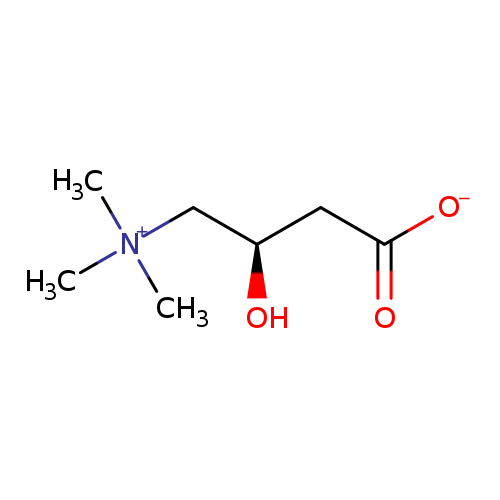
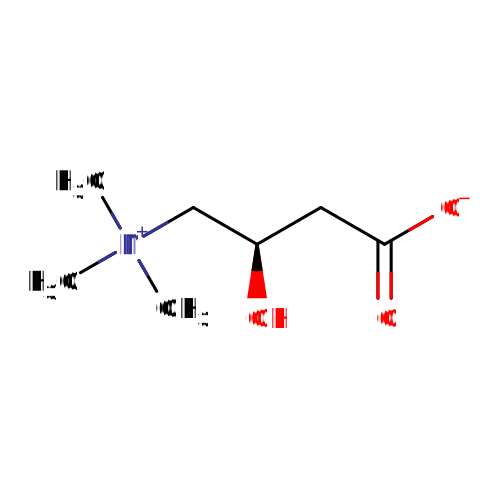
L-Carnitine, also known as carnitine d-form, belongs to the class of organic compounds known as carnitines. These are organic compounds containing the quaternary ammonium compound carnitine. L-Carnitine is possibly soluble (in water) and an extremely weak basic (essentially neutral) compound (based on its pKa). L-Carnitine participates in a number of enzymatic reactions, within cattle. In particular, Propionyl-CoA and L-carnitine can be converted into propionylcarnitine through its interaction with the enzyme carnitine O-acetyltransferase. In addition, Acetyl-CoA and L-carnitine can be converted into L-acetylcarnitine through its interaction with the enzyme carnitine O-acetyltransferase. In cattle, L-carnitine is involved in the metabolic pathway called the oxidation OF branched-chain fatty acids pathway.
Fat tissue. Stores energy as triglycerides and releases fatty acids and hormones; in cattle it lies under the skin, around organs and as marbling within muscle.
By comparison with literature, we further identified 12 milk metabolites, including acetate, arginine, β-hydroxybutyrate, carnitine, citrate, isoleucine, lactate, leucine, phenylalanine, proline, riboflavin, and valine that were linked with the occurrence of mastitis, which suggested that these 12 milk metabolites could be potential biomarkers of mastitis in dairy cows.
For instance, Xu et al. [130] investigated the milk metabolome of cows experiencing negative energy balance and reported strong correlations between the animals energy status and specific milk metabolites, including glycine, choline, and carnitine.
Carnitine, a metabolite important for brain development, is present in human and animal milk as free L-carnitine, and in esterified form as acetyl-carnitine.
Previous metabolomic biomarker studies in lactating milk have proposed citrate, hippurate, and carnitine as SCM markers [12,14,39,40], but these compounds are influenced by active milk synthesis and may not transfer to the dry-period context.
Milk fat yield, glycine, choline and carnitine were important variables to estimate energy balance (adjusted R2: 0.53 to 0.87, depending on the model).
Moreover, one highly significant SNP identified in the current study (BovineHD2500007432: rs42072596, FDR < 1 ) on BTA25 was previously reported to be associated with carnitine and glycerophosphocholine in milk of Danish Holstein cattle [76].
In addition, choline, carnitine, citrate, and lactose in milk are known to be associated with coagulation properties [27], and citirate, N-acetylcarbohydrates, trimethylamine, lecithin, and lactose in milk are known to be closely associated with the milk quality [28-30].
In addition, several of the molecules we underlined may be involved in the coagulation process in milk, for instance, choline, carnitine, citrate and lactose, hereby affecting the quality, yield and composition of milk [36].
Similarly to calcium (see Nutritional Processing ), total carnitine content is the highest in sheep milk (943 umol/L), followed by cow (169 umol/L), goat (136 umol/L), mare (75 umol/L), and human (65 umol/L) milk [180].
A previous work by Servillo et al. [9] showed the occurrence of health-promoting compounds with quaternary ammonium (betaine, l-carnitine, and short-chain acyl-carnitines) in the milk of different species and found a high variability.
Given the health-promoting benefits of betaine and carnitine, which occur naturally in ruminant milk, it is important to establish if the concentrations of these significant functional nutrients can vary among bovine breeds or among different feeding systems.
The OPLS-DA feature significance S-plot (Fig. 1c) recognized the carnitine, acetylcarnitine, propionoylcarnitine and the amino acid related compounds cis-4-hydroxyproline, trans-4-hydroxyproline and proline betaine as the most important variables for cluster separation.
Clemmons et al. [16] reported that the serum concentrations of pantothenate, homocysteine, glutamine, and carnitine were found to be associated with divergent RFI in beef steers, although no concentration values for these metabolites were reported in the Clemmons et al. study.
Carnitine, synthesized from lysine and methionine in a PPARa-dependent manner in liver, brain and kidney or ingested with the diet, is essential for mitochondrial fatty acid oxidation and improves glucose homeostasis16.
Specifically, choline promotes the accumulation of carnitine via two pathways: promoting carnitine synthesis in the liver and enhancing the incorporation of dietary carnitine into hepatocytes.
All the metabolites measured in the rumen fluid, apart from carnitine, ethylbutyric acid, pyroglutamate, a-d-glucose-1-phosphate, and hydroxyphenyl-propionic acid, were affected either by the diet or by the interaction between the treatment and the diet (Table 3).
Written in the paper as “carnitine” and “rumen fluid”
Multi-omics sequencing, including metagenomics, metabolomics, transcriptomics, and proteomics, was employed to identify key microbial genera, such as Moheibacter, critical metabolites like L-carnitine, essential proteins like MPO, and significant pathways including fatty acid b-oxidation.
Written in the paper as “L-carnitine” and “ruminal fluid”
As a rumen-protected L-carnitine product was applied, significant ruminal concentration differences between CON and CAR animals were not found, and duodenal concentrations were higher compared to rumen fluid samples.
Written in the paper as “L-carnitine” and “rumen fluid”
For example, Karisa [25] used NMR to study the blood metabolomics of beef cattle, screening differential metabolites related to production performance, such as carnitine, creatine, and urate, for application in beef cattle breeding.
First, targeted associations between the putatively functional loci NCAPG I442M and GDF8 Q204X, respectively, and the traits RFI, FCR, dEI, daily weight gain from six to nine months of age (ADG), plasma arginine and carnitine (C0) concentration were calculated.
Meanwhile, the metabolisms of various types of AAs, pyrimidines, PEA, phenylacetate, thiamine, carnitine, and selenoamino acids highly contributed to the postmortem aging of the muscle in JBL cattle (Figure 7).
The casein micelles and the fat globules, holding the majority of the protein and fat molecules in milk, are large aggregates with low mobility compared to smaller components, e.g. lactose, choline, carnitine and citrate, which are mainly found as free moving (i.e. non-micellar) components in the whey [42].
In the correlation analysis between the longissimus dorsi muscle proteome and metabolome, Pearson correlation coefficients were calculated to assess the relationship between differentially expressed proteins and metabolites, with a significance threshold of p < 0.05.
Written in the paper as “L-carnitine” and “longissimus dorsi muscle”
Multi-omics sequencing, including metagenomics, metabolomics, transcriptomics, and proteomics, was employed to identify key microbial genera, such as Moheibacter, critical metabolites like L-carnitine, essential proteins like MPO, and significant pathways including fatty acid b-oxidation.
Written in the paper as “L-carnitine” and “longissimus dorsi muscle”
Carnitine, synthesized from lysine and methionine in a PPARa-dependent manner in liver, brain and kidney or ingested with the diet, is essential for mitochondrial fatty acid oxidation and improves glucose homeostasis16.
The first part of the small intestine. At the junction of the stomach and the duodenum the alimentary canal is inflected. The duodenum first goes anteriorly for a short distance, turns dorsally, and eventually caudally, thus it is a U-shaped structure with two horizontal sections (a ventral and a dorsal one).
As a rumen-protected L-carnitine product was applied, significant ruminal concentration differences between CON and CAR animals were not found, and duodenal concentrations were higher compared to rumen fluid samples.
Written in the paper as “L-carnitine” and “duodenum”
Significant correlations between L-carnitine and a broad set of bacteria were observed for RUM and DUO uniquely but also shared ones (Supplementary Table 6).
Written in the paper as “L-carnitine” and “duodenum fluid”
However, the carnitine concentration in animals could be influenced by several factors, including the animal microbiota, the carnitine endogenous synthesis, absorption from the gastrointestinal tract, and the excretion [35].
Written in the paper as “carnitine” and “gastrointestinal tract”
In total, 37 metabolites were identified in the gluteal muscle tissues of cow, goat, donkey and chicken using 1H-NMR spectroscopy.
Written in the paper as “carnitine” and “gluteal muscle tissues”
Produced by
Hepatocyte
The main structural component of the liver. They are specialized epithelial cells that are organized into interconnected plates called lobules. Majority of cell population of liver, polygonal in shape, arranged in plates or trabeculae between sinusoids; may have single nucleus or binucleated.
Since hepatocytes are highly capable of synthesizing carnitine, especially in early lactation1618, an uptake of carnitine appeared to be biologically unnecessary.
Written in the paper as “carnitine” and “hepatocyte”
Taken up by
Hepatocytes
The main structural component of the liver. They are specialized epithelial cells that are organized into interconnected plates called lobules. Majority of cell population of liver, polygonal in shape, arranged in plates or trabeculae between sinusoids; may have single nucleus or binucleated.
Specifically, choline promotes the accumulation of carnitine via two pathways: promoting carnitine synthesis in the liver and enhancing the incorporation of dietary carnitine into hepatocytes.
Written in the paper as “carnitine” and “hepatocytes”
High amounts of intestinal L-carnitine and choline can increase free trimethylamine (TMA) in the animal, which is further oxidized in the liver to TMAO (Roncal et al., 2019).
Written in the paper as “L-carnitine” and “intestinal”
Carnitine, synthesized from lysine and methionine in a PPARa-dependent manner in liver, brain and kidney or ingested with the diet, is essential for mitochondrial fatty acid oxidation and improves glucose homeostasis16.
In mammary cells, carnitine and acetyl-CoA are esterified to form O-acetylcarnitine, which promotes the entry of fatty acids into mitochondria for b-oxidation and provides energy for the body [25].
Written in the paper as “carnitine” and “mammary cells”
Significant correlations between L-carnitine and a broad set of bacteria were observed for RUM and DUO uniquely but also shared ones (Supplementary Table 6).
Furthermore, metabolites involved in energy metabolism (citric acid, (S)-malate, cis-aconitate, oxalate glutarate and L-carnitine) are reduced at the peak of infection (Eckersall, 2019; Xi et al., 2017), indicating energy expenditure during mastitis.
Written in the paper as “L-carnitine” and “mastitis”
By comparison with literature, we further identified 12 milk metabolites, including acetate, arginine, β-hydroxybutyrate, carnitine, citrate, isoleucine, lactate, leucine, phenylalanine, proline, riboflavin, and valine that were linked with the occurrence of mastitis, which suggested that these 12 milk metabolites could be potential biomarkers of mastitis in dairy cows.
Written in the paper as “carnitine” and “Mastitis”
Milk metabolomics using liquid chromatography-quadrupole time-of-flight mass spectrometry (LC-Q-TOF-MS) in healthy cows (n = 20), SCM (n = 20), and CM cows (n = 20) revealed that milk from CM cows had lower levels of glucose, D-glycerol-1-phosphate, 4-hydroxyphenyllactate, L-carnitine, sn-glycero-3-phosphocholine, citrate, and hippurate compared to milk from healthy cows (Xi et al., 2017).
Written in the paper as “L-carnitine” and “mastitis”
Five additional metabolites, lactose, betaine, free carnitine, Car C3:0, Car C18:1, and proline, differed at 21, 14, and 7 days (all higher in MastitisPost vs. Control cows), as did summed signal intensities of AA metabolites (Figure 2B), carnitines (Figure 2C) and water-soluble PL metabolites (Figure 2D).
Written in the paper as “free carnitine” and “Mastitis”
Xi et al. found that less concentrations of d-glycerol-1-phosphate, sn-glycero-3-phosphocholine, glucose, citrate, 4-hydroxyphenyllactate, hippurate and carnitine were found in the clinical mastitic milk samples [11].
Written in the paper as “carnitine” and “mastitis”
In milk from cows with clinical mastitis, concentrations of glucose, D-glycerol-1-phosphate, l-carnitine, 4-hydroxyphenyllactate, citrate, and hippurate were reduced, whereas oligopeptides, such as Leu-Ala, Phe-Pro-Ile, Asn-Arg-Ala-Ile, and Val-Phe-Val-Tyr, were elevated (Xi et al., 2017).
Written in the paper as “l-carnitine” and “clinical mastitis”
Seven metabolites (N-methylethanolamine phosphate, choline, phosphorylcholine, free carnitine, trimethyl lysine, tyrosine, and proline) and 3 metabolite groups (carnitines, amino acids metabolites, and water-soluble phospholipid metabolites) could correctly classify cows for their future CM status at both 21 and 14 days before calving.
Written in the paper as “free carnitine” and “Clinical mastitis”
Expression patterns of Oleyl anilide, L-carnitine, Gatifloxacin, Costunolide, Anabasine, L-methionine, Erioglaucine, 10-hydroxydecanoate, 4-imidazoleacrylicacid, Ng,ng-dimethyl-l-arginine, Dacarbazine, N-methyltyramine, Tyramine, 1 h-indole-1-pentanoic acid, 3-[(4-chloro-1-naphthalenyl)carbonyl]-, and Lactulose were divergent between healthy and SCM cows, with the majority except for Oleyl anilide decreasing in healthy cows but increasing in cows with SCM (Figure 5E).
Written in the paper as “L-carnitine” and “subclinical mastitis”
Previous metabolomic biomarker studies in lactating milk have proposed citrate, hippurate, and carnitine as SCM markers [12,14,39,40], but these compounds are influenced by active milk synthesis and may not transfer to the dry-period context.
Written in the paper as “carnitine” and “Subclinical mastitis”
As shown in Figures 7A,B, five significantly differentially altered metabolites associated with pregnancy and attachment loss were identified and visualized using Sankey diagrams based on biological relevance and disease association analysis.
Written in the paper as “l-carnitine” and “attachment loss”
However, we also observed a few metabolites that were more strongly abundant in BRD animals than non-BRD animals, such as d-mannose, l-phenylalanine, and l-carnitine.
Written in the paper as “l-carnitine” and “Bovine respiratory disease”
The OPLS-DA loading plot showed that cows with footrot had higher levels of 3-hydroxy-3-methylglutarate, 3-hydroxybutyrate and lactate, and lower levels of 3-hydroxyisobutyrate, ethanol, acetoacetate, alanine, acetone, carnitine, betaine, creatine, isoleucine, glycine, glucose, glycerate, serine, 3-methylhistidine, pyruvate, sarcosine, succinate and valine, compared to the control cows.
Xu et al. [16] suggested glycine in milk as a potential biomarker for ketosis; furthermore, Xu et al. [18] reported that glycine, choline, and carnitine play important roles in ketosis.
Numerous studies have shown comparable results for change of metabolite (carnitine, glucose, and lactulose) in milk and serum in relation to ruminal acidosis.
Written in the paper as “carnitine” and “ruminal acidosis”
A fatty acid oxidation process that results in the complete oxidation of a long-chain fatty acid. Fatty acid beta-oxidation begins with the addition of coenzyme A to a fatty acid, and occurs by successive cycles of reactions during each of which the fatty acid is shortened by a two-carbon fragment removed as acetyl coenzyme A; the cycle continues until only two or three carbons remain (as acetyl-CoA or propionyl-CoA respectively).
Carnitine is present in all animal species, many microorganisms, and many plants and plays several important functions related to metabolism in the body, including the importation of long-chain fatty acids into the mitochondria for b-oxidation via interaction with coenzyme A, which is a functional group attached to fatty acids [29].
Written in the paper as “carnitine” and “b-oxidation”
Carnitine is an AA that plays an important role in cellular energy metabolism by transferring acyl groups from the cytoplasm to the mitochondrial matrix for b-oxidation [150,151].
Written in the paper as “carnitine” and “b-oxidation”
Carnitine, especially L-carnitine, is essential in fatty acid oxidation, facilitating the transport of fatty acids into mitochondria for b-oxidation and adenosine triphosphate (ATP) production, which is essential for energy metabolism.
Written in the paper as “Carnitine” and “b-oxidation”
Notably, levels of L-carnitine, acetyl-L-carnitine, and propionylcarnitine key intermediates in b-oxidation along with steroid hormones derived from cholesterol, such as testosterone and progesterone, showed a dramatic decline in MII oocytes compared to the immature GV stage (Figure 3A-D and Figure 4A-C).
Written in the paper as “L-carnitine” and “b-oxidation”
Correlation analysis revealed that these key factors work synergistically to regulate intramuscular fat deposition by inhibiting fatty acid b-oxidation and promoting fat synthesis.
Written in the paper as “L-carnitine” and “fatty acid b-oxidation”
Choline facilitates the transfer of NEFA to the liver, particularly to hepatic mitochondria, by modulating the gene expression of fatty acid transport protein 5 (FATP5) and by increasing the availability of carnitine, an essential cofactor of fatty acid b-oxidation [48].
Written in the paper as “carnitine” and “fatty acid b-oxidation”
l-carnitine is an hydrosoluble amino acid that plays a critical role as a cofactor essential for fatty acid metabolism, by transporting fatty acids into the mitochondria for subsequent b-oxidation and hence energy generation.
Written in the paper as “l-carnitine” and “b-oxidation”
Feed supplementation with l-carnitine (CAR), a metabolite inevitably necessary for the transport of long-chain fatty acids into the mitochondria for b-oxidation, is suggested to enhance the energetic potential of dairy cows (13).
Written in the paper as “l-carnitine” and “b-oxidation”
Involved inUpregulates
generation of precursor metabolites and energy GO:0006091
The chemical reactions and pathways resulting in the formation of precursor metabolites, substances from which energy is derived, and any process involved in the liberation of energy from these substances.
Carnitine plays an essential role in energy metabolism with the main function of transferring long-chain fatty acids to mitochondria for subsequent b-oxidation (Houten et al., 2016).
Written in the paper as “Carnitine” and “energy metabolism”
L-carnitine is responsible for the transportation of long-chain fatty acids, such as palmitic acid, stearic acid, oleic acid, linoleic acid, and arachidonic acid from the cytosol to the mitochondrial matrix, and thus further regulating energy metabolism [26].
Written in the paper as “L-carnitine” and “energy metabolism”
Furthermore, metabolites involved in energy metabolism (citric acid, (S)-malate, cis-aconitate, oxalate glutarate and L-carnitine) are reduced at the peak of infection (Eckersall, 2019; Xi et al., 2017), indicating energy expenditure during mastitis.
Written in the paper as “L-carnitine” and “energy metabolism”
Carnitine plays an important role in fatty acid transport, transporting long-chain fatty acids from the cytosol to the mitochondrial matrix and influencing energy metabolism [81].
Written in the paper as “Carnitine” and “energy metabolism”
Regarding (2), the elevated energy metabolites, the following have been reported: (2a) ketone bodies (acetoacetate and 3-hydroxybutyrate), (2b) an early indicator of glucose intolerance in nondiabetic patients (2-hydroxybutyrate) [107], and (2c) metabolites involved in energy generation (pantothenate, carnitine, sorbitol, glycerol, glucose, glucose 6-phosphate, 3-phosphoglycerate, pyruvate, lactate, citrate, nicotinamide).
Written in the paper as “carnitine” and “energy generation”
Carnitine is an AA that plays an important role in cellular energy metabolism by transferring acyl groups from the cytoplasm to the mitochondrial matrix for b-oxidation [150,151].
Written in the paper as “carnitine” and “cellular energy metabolism”
Dairy products have been reported to naturally contain carnitine and acylcarnitines, which are compounds involved in lipid and energy metabolism, particularly in the context of early life, when the reliance on fat metabolism is high [18,19,20].
Written in the paper as “Carnitine” and “energy metabolism”
l-carnitine is an hydrosoluble amino acid that plays a critical role as a cofactor essential for fatty acid metabolism, by transporting fatty acids into the mitochondria for subsequent b-oxidation and hence energy generation.
Written in the paper as “l-carnitine” and “energy generation”
Carnitine plays a key role in cellular energy metabolism, mainly by transferring acyl groups from the cytoplasm to mitochondrial, thereby rendering the utilization of energy in feed and body stores more efficiently [53].
Written in the paper as “carnitine” and “cellular energy metabolism”
Carnitine is responsible for the transportation of long-chain fatty acids from the cytosol to the mitochondrial matrix and, in turn, further regulates the energy metabolism [36].
Written in the paper as “Carnitine” and “energy metabolism”
Meanwhile, the levels of arachidonic acid proinflammatory mediators (leukotriene E3, 20-carboxy-leukotriene B4, and 12-Oxo-c-LTB3) and phospholipid metabolites were reduced, and the levels of compounds with antibacterial and anti-inflammatory potential (prostaglandin A1, 8-iso-15-keto-prostaglandin E2 [PGE2], etc.) and participating energy metabolism (citric acid, l-carnitine, etc.) were elevated.
Written in the paper as “l-carnitine” and “energy metabolism”
The removal of one or more electrons from a fatty acid, with or without the concomitant removal of a proton or protons, by reaction with an electron-accepting substance, by addition of oxygen or by removal of hydrogen.
Carnitine, especially L-carnitine, is essential in fatty acid oxidation, facilitating the transport of fatty acids into mitochondria for b-oxidation and adenosine triphosphate (ATP) production, which is essential for energy metabolism.
Written in the paper as “Carnitine” and “fatty acid oxidation”
Since the FTO protein itself has an alpha-ketoglutarate binding site and dioxygenase activity, it can be assumed that the molecular action of FTO is at least partly due to the enzymatic regulation of carnitine biosynthesis, which is an essential metabolite in eukaryotes required for fatty acid oxidation [22].
Written in the paper as “carnitine” and “fatty acid oxidation”
Given the fundamental role of carnitine in hepatic fatty acid oxidation (Bremer 1983), the authors suggested that the carnitine status might influence the degree of liver lipid accumulation in peripaturient dairy cows.
Written in the paper as “carnitine” and “hepatic fatty acid oxidation”
The chemical reactions and pathways involving fatty acids, aliphatic monocarboxylic acids liberated from naturally occurring fats and oils by hydrolysis.
Carnitine is an important factor in the metabolism of fatty acids in mammals, transferring fatty acids for decomposition, and is often used as a dietary supplement and food antioxidant.
Written in the paper as “Carnitine” and “metabolism of fatty acids”
l-carnitine is an hydrosoluble amino acid that plays a critical role as a cofactor essential for fatty acid metabolism, by transporting fatty acids into the mitochondria for subsequent b-oxidation and hence energy generation.
Written in the paper as “l-carnitine” and “fatty acid metabolism”
The chemical reactions and pathways involving lipids, compounds soluble in an organic solvent but not, or sparingly, in an aqueous solvent. Includes fatty acids; neutral fats, other fatty-acid esters, and soaps; long-chain (fatty) alcohols and waxes; sphingoids and other long-chain bases; glycolipids, phospholipids and sphingolipids; and carotenes, polyprenols, sterols, terpenes and other isoprenoids.
Similarly, compounds like phosphocholine and carnitine are involved in lipid metabolism and energy production; hence, the higher levels observed during late lactation may reflect differences in energy substrate utilization compared to dry and fresh phases.
Written in the paper as “carnitine” and “lipid metabolism”
The L-carnitine content in YC was approximately 18 times higher than in CC and 4 times higher than in BC, facilitating lipid metabolism and providing antioxidant benefits.
Written in the paper as “L-carnitine” and “lipid metabolism”
Dairy products have been reported to naturally contain carnitine and acylcarnitines, which are compounds involved in lipid and energy metabolism, particularly in the context of early life, when the reliance on fat metabolism is high [18,19,20].
Written in the paper as “Carnitine” and “lipid metabolism”
The directed movement of a long-chain fatty acid into, out of or within a cell, or between cells, by means of some agent such as a transporter or pore. A long-chain fatty acid has an aliphatic tail containing 13 to 22 carbons.
L-carnitine is responsible for the transportation of long-chain fatty acids, such as palmitic acid, stearic acid, oleic acid, linoleic acid, and arachidonic acid from the cytosol to the mitochondrial matrix, and thus further regulating energy metabolism [26].
Written in the paper as “L-carnitine” and “transportation of long-chain fatty acids”
Carnitine is responsible for the transportation of long-chain fatty acids from the cytosol to the mitochondrial matrix and, in turn, further regulates the energy metabolism [36].
Written in the paper as “Carnitine” and “transportation of long-chain fatty acids from the cytosol to the mitochondrial matrix”
Feed supplementation with l-carnitine (CAR), a metabolite inevitably necessary for the transport of long-chain fatty acids into the mitochondria for b-oxidation, is suggested to enhance the energetic potential of dairy cows (13).
Written in the paper as “l-carnitine” and “transport of long-chain fatty acids into the mitochondria”
The chemical reactions and pathways resulting in the formation of carnitine (hydroxy-trimethyl aminobutyric acid), a compound that participates in the transfer of acyl groups across the inner mitochondrial membrane.
Further analysis of the pathways enriched by L-carnitine and betaine in the MSEA revealed that L-carnitine was involved in the oxidation of branched-chain fatty acids, very-long-chain fatty acid b-oxidation, carnitine synthesis, mitochondrial b-oxidation of long-chain and short-chain saturated fatty acids, and fatty acid metabolism (Fig. 6B).
Written in the paper as “L-carnitine” and “carnitine synthesis”
Carnitine, synthesized from lysine and methionine in a PPARa-dependent manner in liver, brain and kidney or ingested with the diet, is essential for mitochondrial fatty acid oxidation and improves glucose homeostasis16.
Written in the paper as “carnitine” and “carnitine synthesis”
l-carnitine not obtained from food is synthesized endogenously from two essential amino acids, lysine and methionine, in a multi-step process occurring across several cell compartments (cytosol, lysosomes, and mitochondria) [36].
Written in the paper as “l-carnitine” and “carnitine endogenous synthesis”
The directed movement of fatty acids into, out of or within a cell, or between cells, by means of some agent such as a transporter or pore. Fatty acids are aliphatic monocarboxylic acids liberated from naturally occurring fats and oils by hydrolysis.
Carnitine plays an important role in fatty acid transport, transporting long-chain fatty acids from the cytosol to the mitochondrial matrix and influencing energy metabolism [81].
Written in the paper as “Carnitine” and “fatty acid transport”
Since carnitines mediate the transport of long-chain fatty acids from the cytosol into the mitochondria of hepatocytes (Longo et al. 2006), reduced concentrations of free carnitine in MP cows seem to reflect an enhanced need of carnitine for the transport of fatty acids due to the higher mobilization from the stored lipids to generate metabolic energy in these cows.
Written in the paper as “free carnitine” and “transport of fatty acids”
Similarly, compounds like phosphocholine and carnitine are involved in lipid metabolism and energy production; hence, the higher levels observed during late lactation may reflect differences in energy substrate utilization compared to dry and fresh phases.
Written in the paper as “carnitine” and “energy production”
Within organisms, the primary function of L-carnitine is to facilitate the oxidation of fatty acids for energy production.
Written in the paper as “L-carnitine” and “energy production”
ActivatesInvolved in
fatty acid beta-oxidation using acyl-CoA dehydrogenase GO:0033539
A fatty acid beta-oxidation pathway in which the initial step of each oxidation cycle, which converts an acyl-CoA to a trans-2-enoyl-CoA, is catalyzed by acyl-CoA dehydrogenase; the electrons removed by oxidation pass through the respiratory chain to oxygen and leave H2O as the product. Fatty acid beta-oxidation begins with the addition of coenzyme A to a fatty acid, and ends when only two or three carbons remain (as acetyl-CoA or propionyl-CoA respectively).
Carnitine, synthesized from lysine and methionine in a PPARa-dependent manner in liver, brain and kidney or ingested with the diet, is essential for mitochondrial fatty acid oxidation and improves glucose homeostasis16.
Written in the paper as “carnitine” and “mitochondrial fatty acid oxidation”
Carnitine plays a central role in fatty acid transport into the mitochondria, whereas acylcarnitines buffer the intracellular free CoA pool and are essential for energy metabolism.
Written in the paper as “Carnitine” and “fatty acid transport into the mitochondria”
In the present study, L-carnitine was supplemented in the feed of four animals to enhance the efficiency in the fatty acid transport into the mitochondria and thus, to likely support the overall physiological capacity of the cows (Meyer et al., 2020).
Written in the paper as “L-carnitine” and “fatty acid transport into the mitochondria”
The chemical reactions and pathways resulting in the formation of ketone bodies, any one of the three substances: acetoacetate, D-3-hydroxybutyrate (beta-hydroxybutyrate) or acetone. Biosynthesis involves the formation of hydroxymethylglutaryl-CoA, which is cleaved to acetate and acetyl-CoA.
Carnitine is required for the transport of long-chain fatty acids from the cytoplasm to the matrix compartment of the mitochondria for energy production, and is also involved in a variety of important physiological processes, including ketogenesis, thermogenesis, lipolysis, and potential nitrogen metabolism [38].
Written in the paper as “Carnitine” and “ketogenesis”
The chemical reactions and pathways resulting in the breakdown of lipids, compounds soluble in an organic solvent but not, or sparingly, in an aqueous solvent.
Carnitine is required for the transport of long-chain fatty acids from the cytoplasm to the matrix compartment of the mitochondria for energy production, and is also involved in a variety of important physiological processes, including ketogenesis, thermogenesis, lipolysis, and potential nitrogen metabolism [38].
Written in the paper as “Carnitine” and “lipolysis”
Another transcriptomic and metabolomic study of adipose tissue in goats showed that L-carnitine could promote the differentiation and thermogenesis of cells in brown adipose tissue via activating the AMPK signaling pathway while reducing lipid accumulation by inducing lipolysis and thermogenesis of cells in white adipose tissue [27].
Written in the paper as “L-carnitine” and “lipolysis”
Involved in
adenosine triphosphate (adenosine triphosphate) production
Carnitine, especially L-carnitine, is essential in fatty acid oxidation, facilitating the transport of fatty acids into mitochondria for b-oxidation and adenosine triphosphate (ATP) production, which is essential for energy metabolism.
Written in the paper as “Carnitine” and “adenosine triphosphate (adenosine triphosphate) production”
Another transcriptomic and metabolomic study of adipose tissue in goats showed that L-carnitine could promote the differentiation and thermogenesis of cells in brown adipose tissue via activating the AMPK signaling pathway while reducing lipid accumulation by inducing lipolysis and thermogenesis of cells in white adipose tissue [27].
Written in the paper as “L-carnitine” and “amp-activated protein kinase signaling pathway”
A programmed cell death process which begins when a cell receives an internal (e.g. DNA damage) or external signal (e.g. an extracellular death ligand), and proceeds through a series of biochemical events (signaling pathway phase) which trigger an execution phase. The execution phase is the last step of an apoptotic process, and is typically characterized by rounding-up of the cell, retraction of pseudopodes, reduction of cellular volume (pyknosis), chromatin condensation, nuclear fragmentation (karyorrhexis), plasma membrane blebbing and fragmentation of the cell into apoptotic bodies. When the execution phase is completed, the cell has died.
Actually, changes in the CE-based metabolomic profile highlighted that the b-oxidation of very long FAs is one of the representative postmortem metabolisms in JBR (Figure 7A), with the characteristic decrease in octanoate, decanoate, and dodecanoate, and increase in acetyl-CoA and carnitine (Table 2).
Written in the paper as “carnitine” and “b-oxidation of very long fatty acids”
The process whose specific outcome is the progression of the brain over time, from its formation to the mature structure. Brain development begins with patterning events in the neural tube and ends with the mature structure that is the center of thought and emotion. The brain is responsible for the coordination and control of bodily activities and the interpretation of information from the senses (sight, hearing, smell, etc.).
Carnitine, a metabolite important for brain development, is present in human and animal milk as free L-carnitine, and in esterified form as acetyl-carnitine.
Written in the paper as “Carnitine” and “brain development”
The process in which a relatively unspecialized cell acquires specialized features of a brown adipocyte, an animal connective tissue cell involved in adaptive thermogenesis. Brown adipocytes contain multiple small droplets of triglycerides and a high number of mitochondria.
Another transcriptomic and metabolomic study of adipose tissue in goats showed that L-carnitine could promote the differentiation and thermogenesis of cells in brown adipose tissue via activating the AMPK signaling pathway while reducing lipid accumulation by inducing lipolysis and thermogenesis of cells in white adipose tissue [27].
Written in the paper as “L-carnitine” and “differentiation of cells in brown adipose tissue”
Humans can obtain levocarnitine through the endogenous synthesis of trimethyllysine, which is subsequently utilized in metabolic pathways, including mitochondrial b-oxidation [59].
Written in the paper as “levocarnitine” and “endogenous synthesis of trimethyllysine”
There was a shift from elevated AA and FA oxidation to increased adipose lipolysis in MastitisPost cows, which may relate to the decrease in carnitine levels and depleted carnitine stores for FA and AA oxidation.
Written in the paper as “carnitine” and “FA oxidation”
The chemical reactions and pathways resulting in the formation of a fatty acid, any of the aliphatic monocarboxylic acids that can be liberated by hydrolysis from naturally occurring fats and oils. Fatty acids are predominantly straight-chain acids of 4 to 24 carbon atoms, which may be saturated or unsaturated; branched fatty acids and hydroxy fatty acids also occur, and very long chain acids of over 30 carbons are found in waxes.
At the same time, key metabolites in the longissimus dorsi, such as N,N,N-trimethyllysine, L-carnitine, and betaine, along with the key gene MPO, promoted intramuscular fat deposition by inhibiting fat oxidation and promoting fat synthesis (Figs. 6 and 12).
Written in the paper as “L-carnitine” and “fat synthesis”
Carnitine is a type B fatty acid-produced process of fatty acid esterification, which plays an important role in regulating muscle oxidative metabolism [79].
Written in the paper as “Carnitine” and “fatty acid esterification”
On the other hand, an efficient utilization of NEFA depends on an adequate L-carnitine availability for fatty acid transfer into the mitochondrial matrix as the site of their oxidation (73).
Written in the paper as “L-carnitine” and “fatty acid transfer into the mitochondrial matrix”
These results highlight that the MPO gene, along with key metabolites such as L-carnitine and betaine, all play a significant role in the formation of intramuscular fat.
Written in the paper as “L-carnitine” and “formation of intramuscular fat”
Carnitine, synthesized from lysine and methionine in a PPARa-dependent manner in liver, brain and kidney or ingested with the diet, is essential for mitochondrial fatty acid oxidation and improves glucose homeostasis16.
Written in the paper as “carnitine” and “glucose homeostasis”
They indicated that carnitine supplementation of 50 and 100 g/day had more potent effects on lipid metabolism as a result of enhanced capacity for hepatic long-chain fatty acid b-oxidation.
Written in the paper as “carnitine” and “hepatic long-chain fatty acid b-oxidation”
Dietary L-carnitine increased the milk fat content in dairy cows with its effect of stimulating hepatic palmitate b-oxidation, which was accompanied by higher plasma BHB in L-carnitine-treated cows [47].
Written in the paper as “L-carnitine” and “hepatic palmitate b-oxidation”
Involved in
importation of long-chain fatty acids into the mitochondria
Carnitine is present in all animal species, many microorganisms, and many plants and plays several important functions related to metabolism in the body, including the importation of long-chain fatty acids into the mitochondria for b-oxidation via interaction with coenzyme A, which is a functional group attached to fatty acids [29].
Written in the paper as “carnitine” and “importation of long-chain fatty acids into the mitochondria”
In particular, milk protein, fat, and carbohydrate aim to conform to 1:2:4 proportions; polyunsaturated 18-carbon fatty acid with two unsaturated sites, like linoleic omega 6 acid, to 2-3 of total energy, and casein to whey ratio at 40:60. Minerals and vitamins are fortified as needed, osmolarity adjusted to 270 milliosmoles per liter to support infant s kidney function, and bioactive ingredients, such as omega 3 and essential fatty acids, carnitine, taurine, polyamines, nucleotides, oligosaccharides, folates, prebiotics, and probiotics, are supplemented to approximate human milk, or to the results of studies indicating their benefits to infant growth and development [13].
Written in the paper as “carnitine” and “infant growth and development”
The immediate defensive reaction (by vertebrate tissue) to infection or injury caused by chemical or physical agents. The process is characterized by local vasodilation, extravasation of plasma into intercellular spaces and accumulation of white blood cells and macrophages.
By further comparison with literature, several metabolites including acetate, arginine, b-hydroxybutyrate, carnitine, citrate, isoleucine, lactate, leucine, phenylalanine, proline, riboflavin, and valine were confirmed to be involved in inflammation.
Written in the paper as “carnitine” and “inflammation”
Since intracellular accumulation of derivatives of lipid metabolism and deprivation of carnitine caused oxidative stress, mitochondrial dysfunction, insulin resistance and increased pro-inflammatory cytokine expression (reviewed by20), it was expected that a high hepatic capacity for release of lipid metabolism intermediates such as acylcarnitines into the blood was connected with less inflammation in H cows.
Written in the paper as “carnitine” and “insulin resistance”
The removal of one or more electrons from a lipid, with or without the concomitant removal of a proton or protons, by reaction with an electron-accepting substance, by addition of oxygen or by removal of hydrogen.
This contrasts with potential metabolic thriftiness adaptations in CW animals suggested by their greater concentration of metabolites for lipid oxidation markers like carnitine (Muroya et al. 2021).
Written in the paper as “carnitine” and “lipid oxidation”
The accumulation and maintenance in cells or tissues of lipids, compounds soluble in organic solvents but insoluble or sparingly soluble in aqueous solvents. Lipid reserves can be accumulated during early developmental stages for mobilization and utilization at later stages of development.
Another transcriptomic and metabolomic study of adipose tissue in goats showed that L-carnitine could promote the differentiation and thermogenesis of cells in brown adipose tissue via activating the AMPK signaling pathway while reducing lipid accumulation by inducing lipolysis and thermogenesis of cells in white adipose tissue [27].
Written in the paper as “L-carnitine” and “lipid accumulation”
We were able to confirm the identity of 3-dehydroxycarnitine, tryptophan catabolites and dityrosine with high confidence and demonstrated the involvement of the red meat constituents carnitine and heme in their microbial formation.
Written in the paper as “carnitine” and “microbial formation”
Involved in
mitochondrial b-oxidation of long-chain and short-chain saturated fatty acids
Further analysis of the pathways enriched by L-carnitine and betaine in the MSEA revealed that L-carnitine was involved in the oxidation of branched-chain fatty acids, very-long-chain fatty acid b-oxidation, carnitine synthesis, mitochondrial b-oxidation of long-chain and short-chain saturated fatty acids, and fatty acid metabolism (Fig. 6B).
Written in the paper as “L-carnitine” and “mitochondrial b-oxidation of long-chain and short-chain saturated fatty acids”
Since intracellular accumulation of derivatives of lipid metabolism and deprivation of carnitine caused oxidative stress, mitochondrial dysfunction, insulin resistance and increased pro-inflammatory cytokine expression (reviewed by20), it was expected that a high hepatic capacity for release of lipid metabolism intermediates such as acylcarnitines into the blood was connected with less inflammation in H cows.
Written in the paper as “carnitine” and “mitochondrial dysfunction”
For mitochondrial energy conversion, L-carnitine plays a crucial role as carrying long-chain fatty acids as acylcarnitines, into the mitochondrial matrix, where they are further included to b-oxidation.
Written in the paper as “L-carnitine” and “mitochondrial energy conversion”
Carnitine is a type B fatty acid-produced process of fatty acid esterification, which plays an important role in regulating muscle oxidative metabolism [79].
Written in the paper as “Carnitine” and “muscle oxidative metabolism”
Animal milks, including both cow s and goat s milk, formed a separate cluster in the PCA space, reflecting higher concentrations of creatine, phosphocreatine, carnitine, succinate, and methylamine, metabolites associated with muscular energy metabolism and protein turnover [21,51,52,53,54].
Written in the paper as “carnitine” and “muscular energy metabolism”
Further analysis of the pathways enriched by L-carnitine and betaine in the MSEA revealed that L-carnitine was involved in the oxidation of branched-chain fatty acids, very-long-chain fatty acid b-oxidation, carnitine synthesis, mitochondrial b-oxidation of long-chain and short-chain saturated fatty acids, and fatty acid metabolism (Fig. 6B).
Written in the paper as “L-carnitine” and “oxidation of branched-chain fatty acids”
Since intracellular accumulation of derivatives of lipid metabolism and deprivation of carnitine caused oxidative stress, mitochondrial dysfunction, insulin resistance and increased pro-inflammatory cytokine expression (reviewed by20), it was expected that a high hepatic capacity for release of lipid metabolism intermediates such as acylcarnitines into the blood was connected with less inflammation in H cows.
Written in the paper as “carnitine” and “oxidative stress”
Meanwhile, the metabolisms of various types of AAs, pyrimidines, PEA, phenylacetate, thiamine, carnitine, and selenoamino acids highly contributed to the postmortem aging of the muscle in JBL cattle (Figure 7).
Written in the paper as “carnitine” and “postmortem aging of the muscle”
Since intracellular accumulation of derivatives of lipid metabolism and deprivation of carnitine caused oxidative stress, mitochondrial dysfunction, insulin resistance and increased pro-inflammatory cytokine expression (reviewed by20), it was expected that a high hepatic capacity for release of lipid metabolism intermediates such as acylcarnitines into the blood was connected with less inflammation in H cows.
Written in the paper as “carnitine” and “pro-inflammatory cytokine expression”
There was a shift from elevated AA and FA oxidation to increased adipose lipolysis in MastitisPost cows, which may relate to the decrease in carnitine levels and depleted carnitine stores for FA and AA oxidation.
Written in the paper as “carnitine” and “AA oxidation”
Animal milks, including both cow s and goat s milk, formed a separate cluster in the PCA space, reflecting higher concentrations of creatine, phosphocreatine, carnitine, succinate, and methylamine, metabolites associated with muscular energy metabolism and protein turnover [21,51,52,53,54].
Written in the paper as “carnitine” and “protein turnover”
Involved in
shuttle of activated long-chain fatty acids from cytosol to the mitochondria
Carnitine is required for the transport of long-chain fatty acids from the cytoplasm to the matrix compartment of the mitochondria for energy production, and is also involved in a variety of important physiological processes, including ketogenesis, thermogenesis, lipolysis, and potential nitrogen metabolism [38].
Written in the paper as “Carnitine” and “thermogenesis”
Another transcriptomic and metabolomic study of adipose tissue in goats showed that L-carnitine could promote the differentiation and thermogenesis of cells in brown adipose tissue via activating the AMPK signaling pathway while reducing lipid accumulation by inducing lipolysis and thermogenesis of cells in white adipose tissue [27].
Written in the paper as “L-carnitine” and “thermogenesis of cells in brown adipose tissue”
Another transcriptomic and metabolomic study of adipose tissue in goats showed that L-carnitine could promote the differentiation and thermogenesis of cells in brown adipose tissue via activating the AMPK signaling pathway while reducing lipid accumulation by inducing lipolysis and thermogenesis of cells in white adipose tissue [27].
Written in the paper as “L-carnitine” and “thermogenesis of cells in white adipose tissue”
Fatty acids destined for mitochondrial oxidation are temporarily attached to the hydroxyl group of carnitine in a process called transesterification, which constitutes the second reaction of the carnitine shuttle.
Written in the paper as “carnitine” and “transesterification”
Involved in
transport and metabolism of long-chain polyunsaturated fatty acids
Carnitine and long-chain acyl carnitines, which are important for transport and metabolism of long-chain polyunsaturated fatty acids in the mitochondria28, as well as for maintaining diverse microbial populations in the gastrointestinal tract35, were 1.2- to 1.5-fold higher in pasture-finished beef.
Written in the paper as “Carnitine” and “transport and metabolism of long-chain polyunsaturated fatty acids”
Involved in
transport of fatty acids into the mitochondrial matrix
Overall, the reduced concentrations of free carnitine in high-mobilizing cows seem to derive from the enhanced need of carnitine for the transport of fatty acids into the mitochondrial matrix due to the high mobilization from the stored lipids to generate metabolic energy.
Written in the paper as “Carnitine” and “transport of fatty acids into the mitochondrial matrix”
Involved in
transport of long chain fatty acids to mitochondria
Lysine also plays a role in fatty acid metabolism because it is a precursor to carnitine, which is involved in the transport of long chain fatty acids to mitochondria.
Written in the paper as “carnitine” and “transport of long chain fatty acids to mitochondria”
Acylcarnitines, carnitine, and fatty acid derivatives play an essential role in transporting fatty acids into mitochondria for b-oxidation, a critical energy production process [58].
Written in the paper as “carnitine” and “transporting fatty acids into mitochondria”
Choline, carnitine, and trimethylamine are known to be involved in trimethylamine-N-oxide (TMAO) formation and at various time points correlating significantly with Olsenella, Pseudoscardovia, and unclassified Veillonellaceae abundances (Supplementary Table 7).
Written in the paper as “carnitine” and “trimethylamine-N-oxide (trimethylamine-N-oxide) formation”
Involved in
very long-chain fatty acid beta-oxidation GO:0140493
A fatty acid beta-oxidation pathway acting on a very long-chain fatty acid. A very long-chain fatty acid has an aliphatic tail containing more than 22 carbons. The partway stars with the conversion of an acyl-CoA to a trans-2-enoyl-CoA, catalyzed by acyl-CoA oxidase; the electrons removed by oxidation pass directly to oxygen and produce hydrogen peroxide, which is cleaved by peroxisomal catalases. Fatty acid beta-oxidation begins with the addition of coenzyme A to a fatty acid, and ends when only two or three carbons remain (as acetyl-CoA or propionyl-CoA respectively).
Further analysis of the pathways enriched by L-carnitine and betaine in the MSEA revealed that L-carnitine was involved in the oxidation of branched-chain fatty acids, very-long-chain fatty acid b-oxidation, carnitine synthesis, mitochondrial b-oxidation of long-chain and short-chain saturated fatty acids, and fatty acid metabolism (Fig. 6B).
Written in the paper as “L-carnitine” and “very-long-chain fatty acid b-oxidation”
Metabolites identified by PLS-DA, such as N, N-dimethylglycine, creatine, lactate, carnosine, carnitine, sn-glycero-3-phosphocholine, betaine, glycine, glucose, alanine, tryptophan, methionine, taurine, and tyrosine, were directly linked to marbling groups.
Written in the paper as “carnitine” and “marbling”
Using partial least squares discriminant analysis (PLS-DA), key metabolites such as N,N-dimethylglycine, carnosine, creatine, lactate, carnitine, sn-glycero-3-phosphocholine, betaine, glycine, glucose, alanine, tryptophan, methionine, taurine, and tyrosine, which are directly associated with marbling levels, were identified [142].
Written in the paper as “carnitine” and “marbling”
Although carnitine supplementation has been previously shown to increase glucose concentrations [155], suggesting improved nutrient utilization, the selected studies in this review reported either no association [87] or slight positive associations [77] between carnitine concentrations and RFI in cattle.
Written in the paper as “carnitine” and “residual feed intake”
For example, higher concentrations of glucose [10], urea [10], creatine [11], carnitine [11], and b-hydroxybutyrate [12], but lower concentrations of creatinine [10] were reported in the plasma of HRFI beef cattle as compared with LRFI beef cattle.
Written in the paper as “carnitine” and “Residual feed intake”
These results highlight that the MPO gene, along with key metabolites such as L-carnitine and betaine, all play a significant role in the formation of intramuscular fat.
Written in the paper as “L-carnitine” and “intramuscular fat”
These findings confirm L-carnitine s role in inhibiting fat deposition, primarily through these pathways to prevent intramuscular fat accumulation in the longissimus dorsi muscle.
Written in the paper as “L-carnitine” and “intramuscular fat”
At the same time, key metabolites in the longissimus dorsi, such as N,N,N-trimethyllysine, L-carnitine, and betaine, along with the key gene MPO, promoted intramuscular fat deposition by inhibiting fat oxidation and promoting fat synthesis (Figs. 6 and 12).
Written in the paper as “L-carnitine” and “intramuscular fat deposition”
Dietary L-carnitine increased the milk fat content in dairy cows with its effect of stimulating hepatic palmitate b-oxidation, which was accompanied by higher plasma BHB in L-carnitine-treated cows [47].
Written in the paper as “L-carnitine” and “milk fat content”
Compared to L-MF cows, H-MF cows exhibited elevated ruminal FAs (e.g., lauric acid) and plasma BHB, alongside increased milk L-carnitine, suggesting enhanced lipogenic substrate availability to the mammary glands and the FA b-oxidation capacity in the whole body.
Written in the paper as “L-carnitine” and “milk fat content”
By 1H-NMR based metabolomics, Bobbo et al. (23) revealed lower concentrations of carnitine, dimethylsulfone, galactose, galactose-1-phosphate, glucose, hippurate, lactose, lecithin, orotate, riboflavin, and succinate, and higher levels of acetate, choline, lactate, phenylalanine, O-acetylcarnitine, valine, and 2-oxoglutarate in milk with high SCC and DSCC (SCC > 200,000 cells/mL and DSCC > 60 ) than low SCC and DSCC (SCC <200,000 cells/mL and DSCC <60 ).
Written in the paper as “carnitine” and “differential somatic cell count”
In high-fertility bulls, a greater content of glycerophosphocholine and lower levels of butyrylcarnitine, glycine betaine and l-carnitine were found in cryopreserved seminal plasma, and lower levels of glycine betaine were detected in cryopreserved spermatozoa.
Written in the paper as “l-carnitine” and “fertility”
Specifically, the serum concentrations of serine, leucine, formate, C0 (carnitine), C3 (propionylcarnitine), C4 (butyrylcarnitine), LysoPC(28:0), and SM(20:2) were greater in HRFI bulls than LRFI bulls.
Written in the paper as “carnitine” and “high-RFI”
Xu et al. [56] reported correlations between energy balance metabolites in the plasma and milk production, such as acetone, acetylcarnitine, aspartate, 3-hydroxyacetone, carnitine, creatinine, glycine, hydroxyproline, and thymidine.
Written in the paper as “carnitine” and “milk production”
Li et al. [38] reported that yak milk contains roughly twice the fat content of cow milk, likely contributing to the elevated L-carnitine levels in YC.
Written in the paper as “L-carnitine” and “fat content”
The proportion, quantity, or volume of straight chain monocarboxylic acids naturally occurring in fats found in milk fat; they are saturated and unsaturated.
Data from our experiment indicated that dietary supplementation with rumen-protected L-carnitine was able to merely regulate few milk fatty acid concentrations during the early lactation period.
Written in the paper as “L-carnitine” and “milk fatty acid concentrations”
By 1H-NMR based metabolomics, Bobbo et al. (23) revealed lower concentrations of carnitine, dimethylsulfone, galactose, galactose-1-phosphate, glucose, hippurate, lactose, lecithin, orotate, riboflavin, and succinate, and higher levels of acetate, choline, lactate, phenylalanine, O-acetylcarnitine, valine, and 2-oxoglutarate in milk with high SCC and DSCC (SCC > 200,000 cells/mL and DSCC > 60 ) than low SCC and DSCC (SCC <200,000 cells/mL and DSCC <60 ).
Written in the paper as “carnitine” and “milk Somatic cell count”
Therefore, effects of the rumen-protected L-carnitine supplementation to the transition diets cause an increase to the uptake of energy and nutrients for milk yield components.
Written in the paper as “L-carnitine” and “milk yield”
A total of five metabolites—guanosine, inosine, thymidine, butyryl-l-carnitine, and l-carnitine—were associated with attachment and pregnancy loss and could serve as predictors of fertility.
Written in the paper as “l-carnitine” and “pregnancy loss”
Correlation analyses revealed that TPMSC and sperm motility were significantly positively correlated with cADPR, while Tg, Levanbiose, Thd, and CE (3M5) were significantly negatively correlated with TPMSC and sperm motility.
Written in the paper as “CE (3M5)” and “Total progressive motile sperm count”
There was a significant difference (p < 0.05) among the cows allocated in the experimental groups, in which animals in the RLC group demonstrated 11 higher rumination time compared with their counterparts in the control group.
Written in the paper as “L-Carnitine” and “rumination time”
Carnitine, synthesized from lysine and methionine in a PPARa-dependent manner in liver, brain and kidney or ingested with the diet, is essential for mitochondrial fatty acid oxidation and improves glucose homeostasis16.
It has been reported that adding citrulline and carnitine to the semen freezing extender can enhance the antioxidant capacity and mitochondrial membrane potential of bovine and sheep sperm, improving semen quality [39-41].
Written in the paper as “carnitine” and “semen freezing extender”
In contrast, YG showed higher relative abundances of carbohydrates, acylcarnitines, sphingolipids, and bioactive metabolites such as butyrate, creatine, carnitine, and orotic acid.
The endogenous antioxidant molecules are GSH, uric acid, ferritin, coenzyme Q, bilirubin, alpha lipoic acid, L-carnitine, and melatonin [148], while ascorbic acid (Vitamin C), retinoic acid (Vitamin A), and a-tocopherol (Vitamin E) are some of the familiar examples of antioxidant molecules taken from exogenous sources present in milk [149,150].
Written in the paper as “L-carnitine” and “Antioxidant molecules”
The importance of this compound and its role on fertility are related to its antioxidant and anti-inflammatory functions [53,54], as well as to the regulative action on sperm metabolism [48].
Written in the paper as “carnitine” and “antioxidant”
An organic molecule or ion (usually a metal ion) that is required by an enzyme for its activity. It may be attached either loosely (coenzyme) or tightly (prosthetic group).
Choline facilitates the transfer of NEFA to the liver, particularly to hepatic mitochondria, by modulating the gene expression of fatty acid transport protein 5 (FATP5) and by increasing the availability of carnitine, an essential cofactor of fatty acid b-oxidation [48].
Written in the paper as “carnitine” and “cofactor”
l-carnitine is an hydrosoluble amino acid that plays a critical role as a cofactor essential for fatty acid metabolism, by transporting fatty acids into the mitochondria for subsequent b-oxidation and hence energy generation.
Written in the paper as “l-carnitine” and “cofactor”
The importance of this compound and its role on fertility are related to its antioxidant and anti-inflammatory functions [53,54], as well as to the regulative action on sperm metabolism [48].
Written in the paper as “carnitine” and “anti-inflammatory”
With the vital function of L-carnitine as a mediator of the shuttling of long-chain fatty acids into the mitochondria for b-oxidation [27, 28], the increases in L-carnitine in both the 10 d and 12 d milk samples with LAB treatment seen in this study suggests enhanced energy metabolism in the LAB groups.
Written in the paper as “L-carnitine” and “mediator of the shuttling of long-chain fatty acids into the mitochondria”
L-carnitine serves as a nutrient source for bacteria and enhances their robustness in various environments and also can be synthesized by anaerobic bacteria (Meadows and Wargo, 2015).
Written in the paper as “L-carnitine” and “nutrient source”
In literature, carnitine has been described as a precursor of 3-dehydroxycarnitine24 while kynurenine, kynurenic acid and N-formylkynurenine originate from tryptophan in a chemical reaction that is catalyzed by the heme-containing enzyme indoleamine-2,3-dioxygenase (IDO-1)25.
Written in the paper as “carnitine” and “precursor”
This diagnostic versatility is attributed to the biochemical properties of L-carnitine, a semi-essential nutrient for newborns (Crill et al., 2006; Pande et al., 2005), whose free hydroxyl group can esterify with a broad spectrum of acyl groups.
Written in the paper as “L-carnitine” and “semi-essential nutrient”
Bols, Mikael; Lundt, Inge; Pedersen, Christian. Simple synthesis of (R)-carnitine from D-galactono-1,4-lactone. Tetrahedron (1992), 48(2), 319-24.
Material Safety Data Sheet (MSDS)
Not Available
General References
Klein MS, Almstetter MF, Schlamberger G, Nurnberger N, Dettmer K, Oefner PJ, Meyer HH, Wiedemann S, Gronwald W: Nuclear magnetic resonance and mass spectrometry-based milk metabolomics in dairy cows during early and late lactation. J Dairy Sci. 2010 Apr;93(4):1539-50. doi: 10.3168/jds.2009-2563. [PubMed:20338431 ]
Sundekilde UK, Gustavsson F, Poulsen NA, Glantz M, Paulsson M, Larsen LB, Bertram HC: Association between the bovine milk metabolome and rennet-induced coagulation properties of milk. J Dairy Sci. 2014 Oct;97(10):6076-84. doi: 10.3168/jds.2014-8304. Epub 2014 Jul 30. [PubMed:25087032 ]
Buitenhuis AJ, Sundekilde UK, Poulsen NA, Bertram HC, Larsen LB, Sorensen P: Estimation of genetic parameters and detection of quantitative trait loci for metabolites in Danish Holstein milk. J Dairy Sci. 2013 May;96(5):3285-95. doi: 10.3168/jds.2012-5914. Epub 2013 Mar 15. [PubMed:23497994 ]
Lu J, Antunes Fernandes E, Paez Cano AE, Vinitwatanakhun J, Boeren S, van Hooijdonk T, van Knegsel A, Vervoort J, Hettinga KA: Changes in milk proteome and metabolome associated with dry period length, energy balance, and lactation stage in postparturient dairy cows. J Proteome Res. 2013 Jul 5;12(7):3288-96. doi: 10.1021/pr4001306. Epub 2013 Jun 5. [PubMed:23738862 ]
O'Callaghan TF, Vazquez-Fresno R, Serra-Cayuela A, Dong E, Mandal R, Hennessy D, McAuliffe S, Dillon P, Wishart DS, Stanton C, Ross RP: Pasture Feeding Changes the Bovine Rumen and Milk Metabolome. Metabolites. 2018 Apr 6;8(2). pii: metabo8020027. doi: 10.3390/metabo8020027. [PubMed:29642378 ]
Kurt J. Boudonck, Matthew W. Mitchell, Jacob Wulff and John A. Ryals (2009). Kurt J. Boudonck, Matthew W. Mitchell, Jacob Wulff and John A. Ryals. Characterization of the biochemical variability of bovine milk using metabolomics. Metabolomics (2009) 5:375?386. Metabolomics.
A. Foroutan et al. (2019). A. Foroutan et al. The Chemical Composition of Commercial Cow's Milk (in preparation). Journal of Agricultural and Food Chemistry.
High affinity carnitine transporter; the uptake is partially sodium-ion dependent. Thought to mediate the L-carnitine secretion mechanism from testis epididymal epithelium into the lumen which is involved in the maturation of spermatozoa. Also transports organic cations such as tetraethylammonium (TEA) and doxorubicin. The uptake of TEA is inhibited by various organic cations. The uptake of doxorubicin is sodium-independent (By similarity).