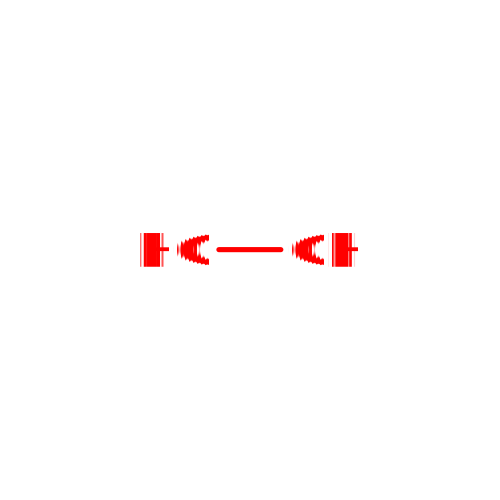
Hydrogen peroxide, also known as albone or dihydrogen dioxide, belongs to the class of inorganic compounds known as homogeneous other non-metal compounds. These are inorganic non-metallic compounds in which the largest atom belongs to the class of 'other non-metals'. Hydrogen peroxide is an extremely weak basic (essentially neutral) compound (based on its pKa). Hydrogen peroxide exists in all living species, ranging from bacteria to humans.
belongs to the class of inorganic compounds known as homogeneous other non-metal compounds. These are inorganic non-metallic compounds in which the largest atom belongs to the class of 'other non-metals'.
Indicators of oxidative stress, including superoxide dismutase (SOD), catalase (CAT), hydrogen peroxide (H2O2), and malondialdehyde (MDA), along with liver function markers such as total bilirubin (T-BIL), aspartate aminotransferase (AST), alanine aminotransferase (ALT), and alkaline phosphatase (ALP), were also measured using the same instrumentation.
Written in the paper as “hydrogen peroxide” and “serum”
Infrared spectroscopy has provided a non-destructive fingerprinting approach to examine and quantify adulterants like whey, urea, caustic soda and hydrogen peroxide in milk [87].
Written in the paper as “hydrogen peroxide” and “milk”
Of note, is the demonstrated antimicrobial activity against Gram-positive and negative bacteria in milk via production of reactive oxygen/nitrogen species, namely hydrogen peroxide and nitric oxide in both humans and cows78, 80.
Written in the paper as “hydrogen peroxide” and “milk”
Produced by
Endothelial Cell
An endothelial cell comprises the outermost layer or lining of anatomical structures and can be squamous or cuboidal. In mammals, endothelial cell has vimentin filaments and is derived from the mesoderm.
Under conditions such as physical injury, chemical stimulation, or pathogen infection, the excessive production of ROS (superoxide anion radicals (O2. ) and H2O2) and the impairment of antioxidant defense systems (such as GSH, SOD, and CAT) of the endothelial cells lead to excessive oxidative stress.
Written in the paper as “H2O2” and “endothelial cell”
The generation of hydrogen peroxide from spermidine and spermine is attributed to the absence of catalase in the rumen, which is essential for hydrogen peroxide breakdown; an excessive buildup of this compound can disturb the homeostasis of the rumen microbiota [22].
Written in the paper as “hydrogen peroxide” and “rumen”
A nonantibiotic paste containing metallic salts and organic acids, and a cream containing soluble copper, peroxide, and a cationic agent are also useful for the treatment of BDD lesions [12, 19].
Written in the paper as “peroxide” and “Bovine digital dermatitis”
A pneumonia involving inflammation of lungs that begins in the terminal bronchioles, which become clogged with thick mucus that forms consolidated patches in adjacent lobules. It is caused by bacteria and viruses.
EBC from Holstein calves with bronchopneumonia (n = 15) also demonstrated higher levels of H2O2 in comparison to healthy neonatal calves (n = 15) [33].
Written in the paper as “H2O2” and “bronchopneumonia”
Hydrogen peroxide production in milk is reduced in other periods of higher blood and milk interactivity, including mammary inflammation caused by mastitis (Sakai et al., 2008), and hence a decrease in sulfhydryl oxidase abundance is in line with our suggestion that the blood-milk barrier may be affected by feeding GPM.
Written in the paper as “hydrogen peroxide” and “mastitis”
Aldehydes and hydrogen peroxide are known to cause oxidative stress in eukaryotic cells, and the serum MDA and COR concentration in A16Con cattle was upregulated.
Written in the paper as “hydrogen peroxide” and “oxidative stress”
Under conditions such as physical injury, chemical stimulation, or pathogen infection, the excessive production of ROS (superoxide anion radicals (O2. ) and H2O2) and the impairment of antioxidant defense systems (such as GSH, SOD, and CAT) of the endothelial cells lead to excessive oxidative stress.
Written in the paper as “H2O2” and “oxidative stress”
In this regard, Martin et al. reported that human milk exosomes (HME) exerted a protective effect against H2O2-induced oxidative stress in intestinal epithelial cells [121].
Written in the paper as “H2O2” and “oxidative stress”
Furthermore, the oxidative stress that triggers and characterises intestinal inflammations appears to be prevented by mEV treatments by enhancing the cellular viability of mEV pretreated intestinal epithelial cells (IEC-6) stimulated with H2O2 [173].
Written in the paper as “H2O2” and “oxidative stress”
It has been reported that the reduction of hydrogen peroxide and lipid hydroperoxides is catalyzed by plasma glutathione peroxidase (GPx-3), which is a selenocysteine-containing extracellular antioxidant protein [69].
Written in the paper as “hydrogen peroxide” and “antioxidant defense system”
A programmed cell death process which begins when a cell receives an internal (e.g. DNA damage) or external signal (e.g. an extracellular death ligand), and proceeds through a series of biochemical events (signaling pathway phase) which trigger an execution phase. The execution phase is the last step of an apoptotic process, and is typically characterized by rounding-up of the cell, retraction of pseudopodes, reduction of cellular volume (pyknosis), chromatin condensation, nuclear fragmentation (karyorrhexis), plasma membrane blebbing and fragmentation of the cell into apoptotic bodies. When the execution phase is completed, the cell has died.
Furthermore, according to a recent study, adding H2O2 to human sperm to simulate oxidative stress and the occurrence of oxidative stress during frozen-thawed both cause sperm autophagy and apoptosis, resulting in decreased sperm motility [21].
The removal of one or more electrons from a fatty acid, with or without the concomitant removal of a proton or protons, by reaction with an electron-accepting substance, by addition of oxygen or by removal of hydrogen.
Iodide is re-excreted into the follicular space to undergo oxidation (H2O2 peroxidase produced from NADPH) and to be associated with tyrosil derivatives using thyroperoxidase (localised at the membrane level).
Most of the catalases contain heme and catalase causes the dismutation of H2O2 (a chemical reaction in which H2O2 causes oxidation of the other H2O2 molecules, consequently, one is converted to O2 and the other two are converted to tow molecules of H2O) [54].
Written in the paper as “H2O2” and “dismutation of H2O2”
Most of the catalyzes contain heme, catalase causes the dismutation of H2O2, a chemical reaction in which H2O2 causes oxidation of the other H2O2 molecules, consequently, one is converted to O2, and the other two are converted to two molecules of H2O [177].
Written in the paper as “H2O2” and “dismutation of H2O2”
The chemical reactions and pathways resulting in the breakdown of hypoxanthine, 6-hydroxy purine, an intermediate in the degradation of adenylate. Its ribonucleoside is known as inosine and its ribonucleotide as inosinate.
Most xanthine related research in sperm, however, focuses on its conversion from hypoxanthine by xanthine oxidase to yield superoxide and hydrogen peroxide.
Written in the paper as “hydrogen peroxide” and “conversion from hypoxanthine by xanthine oxidase”
Bovine xanthine oxidoreductase catalyses oxidation of hypoxanthine to hydrogen peroxide78 and xanthine, and of xanthine to uric acid, among many other substrates79.
Written in the paper as “hydrogen peroxide” and “oxidation of hypoxanthine to hydrogen peroxide”
Most of the catalyzes contain heme, catalase causes the dismutation of H2O2, a chemical reaction in which H2O2 causes oxidation of the other H2O2 molecules, consequently, one is converted to O2, and the other two are converted to two molecules of H2O [177].
Written in the paper as “H2O2” and “oxidation of the other H2O2 molecules”
In healthy animals, hydrogen peroxide (H2O2), which is a volatile molecule in EBC, is well-known for its involvement in airway homeostasis [45,46].
Written in the paper as “hydrogen peroxide” and “airway homeostasis”
Inhibits
antioxidant activity
Inhibition of the reactions brought about by dioxygen (O2) or peroxides. Usually the antioxidant is effective because it can itself be more easily oxidized than the substance protected. The term is often applied to components that can trap free radicals, thereby breaking the chain reaction that normally leads to extensive biological damage.
Plasma GPx-3, an extracellular antioxidant protein containing selenocysteine, plays a vital role in reducing hydrogen peroxide and lipid hydroperoxides (115).
Written in the paper as “hydrogen peroxide” and “antioxidant defense mechanism”
The cellular catabolic process in which cells digest cellular materials, such as organelles and other macromolecular constituents, or non-self materials such as intracellular pathogens. Autophagy serves to provide essential nutrients under conditions of cellular stress; or can remodel intracellular structures during cell differentiation.
Furthermore, according to a recent study, adding H2O2 to human sperm to simulate oxidative stress and the occurrence of oxidative stress during frozen-thawed both cause sperm autophagy and apoptosis, resulting in decreased sperm motility [21].
The increase in H2O2 causes bronchoconstriction and coughing when the mucous membranes of the trachea and bronchi become irritated as a result of their heightened sensitivity [32,48].
Written in the paper as “H2O2” and “bronchoconstriction”
The metabolic process that uses oxidation-reduction reactions of organic compounds and substrate-level phosphorylation for the generation of adenosine triphosphate (ATP), without consuming oxygen and is independent of electron transport chains.
LAB metabolizes sugars and produces a variety of organic acids and other antimicrobial compounds, such as ethanol, bacteriocins, and hydrogen peroxide, during fermentation.
Written in the paper as “hydrogen peroxide” and “fermentation”
The generation of hydrogen peroxide from spermidine and spermine is attributed to the absence of catalase in the rumen, which is essential for hydrogen peroxide breakdown; an excessive buildup of this compound can disturb the homeostasis of the rumen microbiota [22].
Written in the paper as “hydrogen peroxide” and “homeostasis of the rumen microbiota”
Sulfhydryl oxidases are plentiful, and some potentially have a role in innate immunity geared toward offspring protection (Isaacs et al., 1984), but ultimately this enzyme oxidizes free sulfhydryl groups by using oxygen as an electron acceptor with hydrogen peroxide being produced as a result.
Written in the paper as “hydrogen peroxide” and “Hydrogen peroxide production”
The immediate defensive reaction (by vertebrate tissue) to infection or injury caused by chemical or physical agents. The process is characterized by local vasodilation, extravasation of plasma into intercellular spaces and accumulation of white blood cells and macrophages.
Each has its own cadre of virulence factors, including biofilm, capsules, adhesins, toxins, and enzymes, that enhance its ability to colonize the lower airway, evade the immune system, resist antimicrobial treatment, cause tissue destruction, and incite an intense inflammatory response.10
Written in the paper as “Hydrogen peroxide” and “inflammatory response”
The MPO gene plays a critical role in innate immune responses by converting hydrogen peroxide and chloride ions into hypochlorous acid (HOCl), thereby generating reactive oxygen species (ROS).
Written in the paper as “hydrogen peroxide” and “innate immune responses”
The removal of one or more electrons from a lipid, with or without the concomitant removal of a proton or protons, by reaction with an electron-accepting substance, by addition of oxygen or by removal of hydrogen.
The primary function of this protein is to catalyze oxidation of certain molecules, using hydrogen peroxide, to generate reactive products with a wide antimicrobial activity [36], [37].
Written in the paper as “hydrogen peroxide” and “oxidation of certain molecules”
Consumed by
oxidoreductase activity
Catalysis of an oxidation-reduction (redox) reaction, a reversible chemical reaction in which the oxidation state of an atom or atoms within a molecule is altered. One substrate acts as a hydrogen or electron donor and becomes oxidized, while the other acts as hydrogen or electron acceptor and becomes reduced.
GPX1 belongs to the glutathione peroxidase family, which reduces organic hydroperoxides and hydrogen peroxide (H2O2) by glutathione, thereby protecting cells from oxidative damage.
Written in the paper as “hydrogen peroxide” and “oxidoreductase activity”
Photoactivated hypericin [71] is a potent generator of singlet oxygen (1O2), superoxide anions and other reactive oxygen species such as hydrogen peroxide (H2O2) [72-74].
Written in the paper as “hydrogen peroxide” and “photosensitization”
Of note, is the demonstrated antimicrobial activity against Gram-positive and negative bacteria in milk via production of reactive oxygen/nitrogen species, namely hydrogen peroxide and nitric oxide in both humans and cows78, 80.
Written in the paper as “hydrogen peroxide” and “production of reactive oxygen/nitrogen species”
In young ruminants, probiotics have been suggested to improve intestinal health by increasing mucosal immunity and preventing the proliferation of pathogenic bacteria (Ayyat et al. 2023) by producing a variety of antimicrobial compounds such as bacteriocins, hydrogen peroxide, VFA, and nitric oxide, allowing the probiotic bacteria to compete with other gut bacteria (native or pathogenic species) and induce the equilibrium between intestinal microorganisms and promote rumen fermentation (Sun et al. 2016; Uyeno et al. 2015).
Written in the paper as “hydrogen peroxide” and “proliferation of pathogenic bacteria”
Produced by
reactive oxygen species biosynthetic process GO:1903409
The chemical reactions and pathways resulting in the formation of reactive oxygen species, any molecules or ions formed by the incomplete one-electron reduction of oxygen.
Firstly, PEsen cells appear to activate the same mechanisms that delay the initiation of senescence; a shift from oxidative phosphorylation towards glycolysis and the pentose phosphate pathway to reduce the production of ROS23 and an upregulation of pathways involved in redox homeostasis to ameliorate the effects of hydrogen peroxide.
Written in the paper as “hydrogen peroxide” and “redox homeostasis”
In young ruminants, probiotics have been suggested to improve intestinal health by increasing mucosal immunity and preventing the proliferation of pathogenic bacteria (Ayyat et al. 2023) by producing a variety of antimicrobial compounds such as bacteriocins, hydrogen peroxide, VFA, and nitric oxide, allowing the probiotic bacteria to compete with other gut bacteria (native or pathogenic species) and induce the equilibrium between intestinal microorganisms and promote rumen fermentation (Sun et al. 2016; Uyeno et al. 2015).
Written in the paper as “hydrogen peroxide” and “rumen fermentation”
Typical yoghurt starter bacteria Lactobacillus delbrueckii ssp. bulgaricus and Streptococcus thermophiles inhibited the lipid peroxidation through the scavenging of reactive oxygen species such as hydrogen perode and hydroxyl radicals [75].
Written in the paper as “hydrogen perode” and “scavenging of reactive oxygen species”
Compared with the CON group, GMD significantly increased the concentration of ghrelin O-acyl transferase (GOAT), total ghrelin (TG), acylated ghrelin (AG), and orexins (P < 0.05) and significantly decreased the concentrations of hydrogen peroxide (H2O2), malondialdehyde, reactive oxygen species (ROS), and lipopolysaccharides (LPS) in the serum of finishing bulls (P < 0.05).
Written in the paper as “hydrogen peroxide” and “glycerol monodecanoate”
In the presence of H2O2 as an oxidizing agent, MPO catalyzes the oxidative coupling of phenol and 4-aminoantipyrine (AAP), resulting in a colored product, quinoneimine, with a maximum absorbance of 492 nm [17].
Written in the paper as “H2O2” and “oxidizing agent”
For example, hydrogen peroxide, a well-known oxidizing agent, has been shown to impair bovine sperm motility in vitro [10], while elevated ROS levels by lipid peroxidation reduce sperm penetration into oocytes and disrupt sperm-egg fusion in humans [11].
Written in the paper as “hydrogen peroxide” and “oxidizing agent”
A food preservative which prevents decomposition of food by preventing the growth of fungi or bacteria. In European countries, E-numbers for permitted food preservatives are from E200 to E299, divided into sorbates (E200-209), benzoates (E210-219), sulfites (E220-229), phenols and formates (E230-239), nitrates (E240-259), acetates (E260-269), lactates (E270-279), propionates (E280-289) and others (E290-299).
Thus, various LAB metabolites like organic acids, hydrogen peroxide and bacteriocins act as bio-preservative agents thereby improving food safety and extending the storage period of the final product [2].
Written in the paper as “hydrogen peroxide” and “bio-preservative agents”
Occurs in almost all aerobically respiring organisms and serves to protect cells from the toxic effects of hydrogen peroxide. Promotes growth of cells.
Antimicrobial agent which utilizes hydrogen peroxide and thiocyanate (SCN) to generate the antimicrobial substance hypothiocyanous acid (HOSCN). May protect the udder from infection and promote growth in newborn calves. Inhibits growth of the following bacterial species: E.coli, K.pneumoniae, P.aeruginosa, S.sonnei, S.saphrophyticus, S.epidermidis, and S.dysenteriae.
Secondary metabolites biosynthesis, transport and catabolism
Specific function:
Cell adhesion protein that participates in lymphocyte recirculation by mediating the binding of lymphocytes to peripheral lymph node vascular endothelial cells in an L-selectin-independent fashion. Has a monoamine oxidase activity (By similarity).
Plays a role in melanin biosynthesis. Catalyzes the oxidation of 5,6-dihydroxyindole-2-carboxylic acid (DHICA) into indole-5,6-quinone-2-carboxylic acid. May regulate or influence the type of melanin synthesized. Also to a lower extent, capable of hydroxylating tyrosine and producing melanin.
Oxidase with broad substrate specificity, oxidizing aromatic azaheterocycles, such as N1-methylnicotinamide, N-methylphthalazinium and phthalazine, as well as aldehydes, such as benzaldehyde, retinal, pyridoxal, and vanillin. Plays a key role in the metabolism of xenobiotics and drugs containing aromatic azaheterocyclic substituents. Is probably involved in the regulation of reactive oxygen species homeostasis. May be a prominent source of superoxide generation via the one-electron reduction of molecular oxygen. Also may catalyze nitric oxide (NO) production via the reduction of nitrite to NO with NADH or aldehyde as electron donor. May play a role in adipogenesis.
Catalyzes the oxidative deamination of biogenic and xenobiotic amines and has important functions in the metabolism of neuroactive and vasoactive amines in the central nervous system and peripheral tissues. MAOA preferentially oxidizes biogenic amines such as 5-hydroxytryptamine (5-HT), norepinephrine and epinephrine.